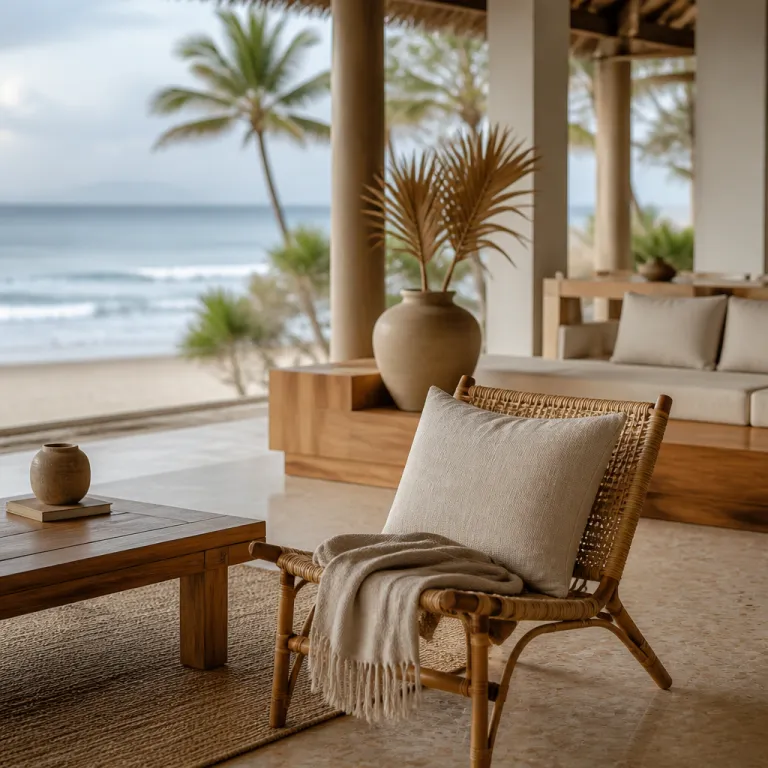
What quiet luxury really means on Southeast Asia’s coasts
Quiet luxury on a beach in Southeast Asia is not about spectacle. It is about a resort that lets the sound of the water set the tempo while service stays almost invisible yet precise. On the right islands, you feel the tide before you ever notice the lobby.
Across southeast Asia, the most refined beach resort experiences share three traits. First, they sit on beaches where the resort has deliberately limited room count, so the sand never feels crowded and the sea remains clear. Second, they work with local communities on everything from reef protection to guiding, which turns a simple swim into a lesson in coastal ecology and culture.
The third trait is architectural restraint, especially in thailand, indonesia, cambodia and beaches Vietnam. A quiet luxury beach resort in southeast Asia will often use local stone, timber and open air pavilions instead of glass boxes, keeping the line between beach and suite almost invisible. You see this at Amanpuri on Phuket’s west coast, where villas step down through coconut groves to a crescent of sand that still feels like a private island.
On Koh Samui, the best hotels now lean into this low profile aesthetic. Rather than towering over the beach, they frame views of the water and offshore islands with shaded decks and native planting. The same philosophy guides Soneva Kiri on Koh Kood, one of the quietest islands in thailand, where the resort spa is woven into jungle above a pale sand beach and the only nightlife is the bioluminescence in the shallows.
In indonesia, The Oberoi Beach Resort in Seminyak and The Seed on Bali’s quieter east coast show how a beach resort can sit inside the landscape, not on top of it. Both properties use long sightlines to the water and generous setbacks from the public beaches, so you always feel close to the ocean but never exposed. Six Senses Con Dao in Vietnam and Soneva Kiri in thailand complete a small circle of properties where quiet luxury is measured in metres of empty sand, not chandeliers.
Beyond Phuket and Bali: islands where the scene never arrived
The most interesting quiet luxury beach resort choices now sit just beyond the big hubs. Think islands a short hop from Phuket, Bali Indonesia or Singapore, where the beaches are empty but the logistics stay simple. These are the places where you land, exhale and realise the loudest sound is still the ocean.
On thailand’s west coast, Koh Yao and Yao Noi form a pair of green islands in Phang Nga Bay. Here, small resorts stretch along mangrove edged beaches, and longtail boats slide silently between limestone karsts that feel like a floating national park. A stay on Yao Noi often costs less than a comparable suite on Phuket, yet the water is cleaner and the only queues are for kayaks at sunrise.
Farther south, Koh Lanta and Khao Lak offer long, low key beaches that attract more sea turtles than party boats. Khao Lak’s shoreline backs onto protected forest, so many hotels sit between beach and national park, giving you reef snorkelling in the morning and jungle trails in the afternoon. Koh Lanta’s best beach resort options cluster on the west coast, where sunsets are cinematic but the bar playlists stay mercifully quiet.
Across the Gulf of thailand, Koh Samui still has pockets of calm if you know where to look. Smaller hotels southeast of Chaweng hide on coves where the sand squeaks underfoot and the only traffic is fishing boats heading towards nearby islands. When you compare these stays with louder Samui strips, you see how a few extra minutes in a car can buy you real privacy and better sleep.
For travellers based in Singapore, Bintan and its neighbour islands are the natural quiet luxury playground. The Sanchaya on Bintan feels like a private island estate, with a lawn that runs straight to a pale sand beach and a pool that mirrors the South China Sea. If you are researching refined coastal stays, it is worth reading in depth family focused reviews such as this analysis of a luxury family stay in Playa del Carmen, which shows how layout, staffing and beach management shape the experience as much as the room category.
Regulations, visitor caps and how they change your stay
New regulations across southeast Asia are reshaping what a luxury beach stay feels like. Authorities are using visitor caps, conduct rules and licensing crackdowns to protect beaches and communities from overtourism. For travellers who value quiet, these shifts can be a hidden advantage.
Boracay in the Philippines now enforces a daily visitor cap of approximately 19 000 and requires confirmed accommodation from accredited hotels for entry. That policy has thinned the crowds on its beaches and pushed some travellers towards alternative islands with similar water quality but fewer rules. In Bali Indonesia, stricter monitoring of tourist conduct at cultural sites and a crackdown on unauthorised short term villa rentals are nudging guests back towards licensed resort spa properties that invest in long term coastal stewardship.
Thailand has taken a different but complementary path. On Phuket, Pattaya and Koh Samui, authorities enforce against unlicensed short term rentals and maintain beach warning flag systems that make swimming safer during shoulder season swells. For you, that means a quiet luxury beach resort on the west coast of Phuket or on Koh Samui is more likely to be fully legal, professionally managed and aligned with local regulations.
These rules also influence how you move between islands such as Koh Lanta, Koh Yao and Yao Noi. Licensed transfers, registered guides and regulated boat operators now dominate the better resorts’ logistics, which reduces noise pollution on the water and improves safety on longer hops towards places like Labuan Bajo or Lombok Indonesia. When you study a coastal property map, whether in Thailand or a detailed resort map for a Gulf Coast property, you start to see how zoning, access points and protected areas quietly dictate how peaceful your stay will feel.
Vietnam’s coastal authorities are watching beaches Vietnam more closely too, especially around Con Dao where Six Senses Con Dao operates under strict environmental guidelines. Similar patterns appear near Cambodia’s Koh Rong, where higher end beach resort projects must now account for marine ecosystems and fishing communities. Across the region, the net effect is clear ; the most serious luxury resorts are becoming de facto guardians of the beaches they occupy.
Weather windows, pricing gradients and when to book
Timing is everything when you are chasing quiet luxury by the sea. In much of southeast Asia, the most rewarding beach weeks sit just outside peak holiday periods, when the water is warm but the crowds thin. Aim for shoulder months and you often gain both better rates and more attentive service.
On thailand’s west coast, including Phuket, Khao Lak and Koh Lanta, the calmest combination of sea conditions and manageable humidity usually falls between the main monsoon bursts. During these windows, beaches are less eroded, visibility for snorkelling improves and national park access is more reliable. The same pattern holds for islands like Koh Yao and Yao Noi, where smaller resorts can feel almost private once domestic holidaymakers have gone home.
In the Gulf of thailand, Koh Samui enjoys a slightly different weather rhythm, which can be useful if you are trying to dodge rain elsewhere. When Phuket’s west coast is rough, Samui’s beaches may still offer swimmable water and clear mornings, especially on the more sheltered north and east shores. That makes Koh Samui a smart pivot if you want a quiet luxury beach resort in southeast Asia without gambling entirely on one climate zone.
Indonesia’s sprawl across the equator creates its own micro seasons. Bali Indonesia, Lombok Indonesia and Labuan Bajo near Komodo National Park often share similar dry spells, which is ideal if you want to pair a beach resort with a liveaboard or a day trip towards Park Komodo. Farther south, Bawah Reserve in the Anambas archipelago and Langkawi Malaysia in the Andaman Sea each have their own best months, so it pays to check regional patterns rather than relying on a single Asia wide forecast.
Price wise, the gradient is stark once you step away from the most famous beaches. A pool villa on Phuket’s busiest strip can cost significantly more than a larger suite on Koh Yao or Yao Noi, even though the water and views are arguably better on the quieter islands. The same logic applies in Langkawi, where resorts away from the main Pantai Cenang area, and in Langkawi Malaysia more broadly, often deliver better value for travellers who care more about reef health than restaurant density.
From Langkawi to Labuan Bajo: where nature leads the design
The most compelling quiet luxury properties in southeast Asia treat the coastline as the lead architect. They start with the beach, the reef and the prevailing winds, then fit the resort around those constraints. When you walk these grounds, you feel the logic in every path and pavilion.
In Langkawi, several of the best hotels sit between ancient rainforest and the sea, effectively turning the entire property into a private national park corridor. Trails lead from the resort spa through fig trees to hidden beaches, while boardwalks protect mangroves that filter the water before it reaches the bay. This same nature first mindset defines Bawah Reserve, a remote island cluster in indonesia where villas hover above a lagoon so clear you can count coral heads from your deck.
Farther east, Labuan Bajo has evolved from a sleepy port into the jumping off point for Komodo National Park. Here, a new generation of beach resort projects lines the bay, but the most thoughtful ones keep densities low and sightlines open towards Park Komodo and the surrounding islands. When you sail out towards Komodo National and its dragons, you pass coves where the only structures are small, low slung villas tucked into the hillside.
On the Cambodian coast, Koh Rong offers a glimpse of what much of southeast Asia looked like before mass tourism. Long beaches curve around the island with only a handful of luxury resorts, and at night the water glows with bioluminescent plankton. The quietest properties here limit motorised water sports, so you hear waves and cicadas instead of jet skis.
Vietnam’s Con Dao archipelago, home to Six Senses Con Dao, follows a similar script. Villas line a broad beach backed by mountains, and the resort partners with local authorities to protect turtle nesting sites along neighbouring beaches Vietnam. Across these destinations, you see a clear pattern ; the more a resort treats its beach and surrounding islands as a reserve rather than a backdrop, the more tranquil your stay will feel.
Cultural integration and how to read a quiet resort’s promises
Silence on the beach means little if the resort feels sealed off from its setting. The most rewarding quiet luxury stays in southeast Asia weave local culture into daily life without turning it into a performance. You should feel like a respectful guest of the coastline and the community, not a spectator behind glass.
On Koh Samui and Koh Lanta, several small luxury resorts now work directly with fishing families for boat excursions and seafood sourcing. That means your sunset cruise to nearby islands might double as a lesson in traditional navigation, while dinner showcases fish landed that morning on the same beach. In Khao Lak and along thailand’s west coast, properties that support national park rangers and local guides often offer the most insightful hikes and snorkelling trips.
In indonesia, The Sanchaya on Bintan and The Seed on Bali’s east coast show how a beach resort can feel both polished and rooted. Staff share stories about island history, coffee rituals and coastal ceremonies, turning a simple walk along the water into a cultural primer. The Oberoi Beach Resort in Seminyak takes a similar approach, using its gardens and temple spaces to anchor guests in Balinese rhythms even as the town outside grows louder.
Vietnam and Cambodia offer their own versions of this integration. On Koh Rong, some resorts partner with village schools and reef clean up projects, inviting guests to join without pressure or photo opportunities. Around Con Dao and other beaches Vietnam, local historians lead walks that trace the islands’ complex past, adding depth to what might otherwise be just another day by the sea.
When you compare these approaches with more isolated Caribbean or American coastal properties, you see a common thread ; the best quiet luxury resorts treat culture as a living element, not a theme. If you are planning a broader circuit of refined coastal stays, resources such as this guide to a refined Caribbean escape can help you benchmark how well different regions balance privacy with connection. Across southeast Asia, the properties that get this balance right are the ones where the lobby stays quieter than the ocean because guests are out on the water, in the village or walking the beach, not trapped in a bar with a DJ.
Key figures shaping quiet luxury beach travel in Southeast Asia
- Boracay’s daily visitor cap of approximately 19 000 guests, introduced after its environmental rehabilitation, has become a regional reference point for managing beach crowding and protecting water quality (source ; Travel And Tour World).
- Six quiet luxury resorts highlighted in our reference dataset — Amanpuri, The Sanchaya, The Oberoi Beach Resort, The Seed, Six Senses Con Dao and Soneva Kiri — illustrate how low density design and strong local partnerships can define the upper tier of beach hospitality in southeast Asia.
- Visitor caps, licensing enforcement and conduct rules in Bali, Phuket, Pattaya and Koh Samui have collectively shifted demand towards fully licensed hotels and resort spa properties, concentrating high end stays in areas that can support long term coastal management (source ; Travel And Tour World).
- Remote properties such as Bawah Reserve and resorts near Komodo National Park typically limit villa counts to a few dozen keys, which keeps beaches quiet and allows reef systems to recover between guest visits, a model increasingly seen as best practice for fragile islands.
FAQ about quiet luxury beach resorts in Southeast Asia
What are the top quiet beach resorts in Southeast Asia ?
The most consistently praised quiet luxury properties include Amanpuri in Phuket, The Sanchaya on Bintan, The Oberoi Beach Resort in Seminyak, The Seed on Bali’s east coast, Six Senses Con Dao in Vietnam and Soneva Kiri on Koh Kood. These resorts combine low key architecture with strong environmental and cultural commitments. They also sit on beaches where room counts are deliberately limited, so the shoreline never feels crowded.
How can I book these resorts safely and efficiently ?
You can book through each resort’s official website or by contacting their reservations teams directly, which ensures you access the most accurate room descriptions and current policies. Many quiet luxury properties also work with specialist travel advisors who understand island transfers, national park permits and seasonal weather nuances. For peak periods and shoulder season sweet spots, it is wise to secure your stay several months in advance.
Are these quiet luxury resorts suitable for families ?
Most of the leading quiet beach resorts in southeast Asia welcome families, though the atmosphere remains calm rather than activity heavy. Properties such as Soneva Kiri, Six Senses Con Dao and Amanpuri offer children’s programmes that focus on nature, local culture and the sea instead of loud entertainment. Always check age policies, extra bed options and family villa layouts before you commit, especially on smaller islands.
How do new regulations affect my stay at major beach destinations ?
Regulations such as Boracay’s visitor cap, Bali’s conduct rules and Thailand’s enforcement against unlicensed rentals generally improve the on the ground experience for guests who value order and safety. You may need to show confirmed bookings with accredited hotels or follow specific guidelines on beaches and at cultural sites. In return, you gain cleaner water, less crowding and a higher likelihood that your resort is operating responsibly.
What should I prioritise when choosing a quiet luxury beach resort ?
Start with the beach itself ; look for low density development, clear water and some form of environmental protection, whether formal national park status or a private reserve model. Then assess how the resort integrates with local communities through hiring, sourcing and guiding, which often determines how authentic your stay will feel. Finally, consider access logistics and weather windows, since a slightly longer transfer or a shoulder season date can transform a good resort into your personal stretch of coast.