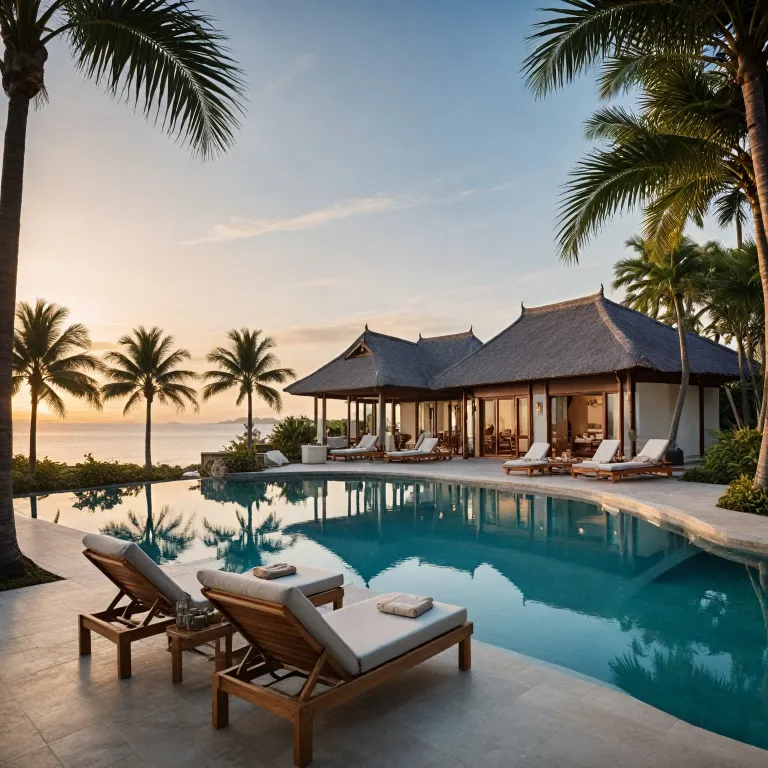
Why vietnam beach resorts excel for refined coastal escapes
Along more than 3 260 kilometres of coastline, vietnam offers an exceptional collection of beach resorts. Luxury travellers can move from a secluded resort in a protected bay to a lively beach resort near a vibrant city vietnam, while still enjoying consistent service standards and polished design. This diversity makes vietnam beach resorts ideal for guests comparing hotels resorts across Asia and even the middle east.
On Phú Quốc Island, InterContinental Phu Quoc Long Beach Resort combines a wide sandy beach with a sophisticated resort spa and extensive dining offers. Its rooms, suites, and villa options face the sea, lagoon, or gardens, giving guests different ways to connect with the beach and surrounding nature. Families appreciate that every child can enjoy supervised activities while adults relax at the pool villa zones or quiet lounges.
Nearby, JW Marriott Phu Quoc Emerald Bay Resort & Spa elevates the beach resort concept with theatrical design and meticulous details. The property sits on Khem Beach, where the sea is calm and clear, and where each resort building feels like part of an imaginative university town. For travellers comparing vietnam beach resorts, this hotel shows how a resort can turn every corridor, restaurant, and pool into a curated experience for the senses.
Further south, Alma Resort in Cam Ranh focuses on multi generational stays with a water park, cinema, and family friendly pool villa layouts. This family resort proves that luxury and play can coexist, especially when a resort spa, kids’ clubs, and casual dining are all within a short walk. Such thoughtful planning helps guests check every practical need while still feeling immersed in a true beach escape.
How to choose between vietnam beach resorts for different travel styles
Selecting among vietnam beach resorts starts with clarifying how you like to travel. Some guests want a resort spa with a strong wellness focus, while others prioritise a lively beach resort close to a fishing village or nightlife in a nearby city. Understanding these preferences helps you check each hotel’s layout, room types, and on site offers with more confidence.
For wellness oriented travellers, Amanoi Resort in Núi Chúa National Park is a benchmark among vietnam beach resorts. Its Amanoi Ocean Pool Residence and other pool villa categories overlook the sea and surrounding hills, creating a sense of retreat that feels far from any city vietnam. Here, the senses are engaged through quiet architecture, natural materials, and spa rituals that draw on local traditions.
Travellers who enjoy a balance of urban energy and beach relaxation often look to areas near Hồ Chí Minh City. While the city itself is not a beach resort destination, many guests combine time in Hồ Chí Minh City with stays in coastal regions like Phan Thiết or Vũng Tàu. This pairing allows visitors to experience both the cultural intensity of a major minh city and the slower rhythm of vietnam beach resorts.
When comparing international options, some travellers weigh vietnam beach resorts against destinations in the middle east or the Mediterranean. Vietnam’s advantage often lies in its combination of competitive pricing, authentic local culture, and a growing portfolio of luxury hotels resorts. For additional inspiration on elevated coastal stays, you can review a detailed case study of a premium property such as premium beachfront stays in Panama City Beach, then apply similar criteria when evaluating each vietnam resort.
Signature regions and the character of vietnam beach resorts
Each coastal region in vietnam shapes its beach resorts with distinct scenery and culture. In the south, Phú Quốc and Cam Ranh feature long sandy stretches where a beach resort can offer wide sea views and generous pool villa layouts. Central regions such as Nha Trang and Ninh Thuận mix city energy, fishing village life, and dramatic headlands.
Nha Trang stands out among vietnam beach resorts for its combination of urban convenience and resort seclusion. Guests can stay in a beach resort on a private bay yet still reach the city within minutes for dining, shopping, or nightlife. This duality appeals to travellers who want both a calm resort spa environment and easy access to a lively city vietnam.
Further along the coast, areas associated with the Nam Hải and Hội An region bring a strong cultural layer to vietnam beach resorts. Here, guests can stay in a villa facing the sea in the morning, then visit a nearby UNESCO heritage town in the afternoon. This proximity to UNESCO heritage sites allows hotels resorts to design excursions that connect beach relaxation with meaningful cultural immersion.
In less developed stretches near Phan Thiết, some vietnam beach resorts sit close to traditional fishing village communities. Guests may watch boats return at sunrise, then return to a refined resort spa for breakfast and a quiet swim. These contrasts between local life and polished resort comforts are part of what makes each vietnam resort feel unique rather than interchangeable.
Design, senses, and details that define luxury vietnam beach resorts
Luxury vietnam beach resorts increasingly focus on how design shapes the senses. Architecture, landscaping, and lighting guide how guests move from their villa to the beach, from the pool villa deck to the resort spa, and from restaurants back to their rooms. When these details are handled with care, the entire resort feels intuitive and calming.
Properties associated with the Banyan Tree and similar brands show how a banyan tree motif, a tree lined path, or a tree lang courtyard can anchor a resort’s identity. At some vietnam beach resorts, a single banyan tree becomes a gathering point for sunset cocktails or cultural performances. These design gestures help guests remember not just the sea and beach, but also the specific character of that vietnam resort.
Concepts such as Vietnam Senses, Senses Ninh, and Senses Con illustrate how some hotels resorts build entire narratives around sensory experiences. A resort might use local stone underfoot, fragrant native plants along pathways, and carefully tuned lighting to soften transitions from city stress to coastal calm. In this way, vietnam senses programming turns every walk to the beach or resort spa into a small ritual.
Even in family focused properties like Alma Resort, attention to details remains central. The layout ensures that each child can move safely between pools, play areas, and dining spaces, while adults enjoy clear sea views from many suites. Across vietnam beach resorts, this blend of aesthetics, safety, and comfort is what separates a standard beach hotel from a truly memorable beach resort.
Planning a stay at vietnam beach resorts on premium platforms
When using a luxury and premium booking website, the way vietnam beach resorts are presented can significantly influence your choices. A well designed platform should allow you to filter by resort spa facilities, pool villa availability, proximity to a city, and access to UNESCO heritage sites. It should also highlight whether a resort is better suited to couples, multi generational families, or travellers combining beach time with business in Hồ Chí Minh City.
Look for booking pages that describe each vietnam resort with precise details rather than generic phrases. For example, a listing for a beach resort near Nha Trang should specify whether it sits on a private bay, how many metres separate the villa rows from the sea, and what special offers apply to long stays. Clear photography of the beach, pool villa interiors, and resort spa areas helps you evaluate how the property will feel to your senses.
Premium platforms should also make it easy to check practical information for every child in your party, from extra bed policies to kids’ club hours. Transparent cancellation terms, clear maps showing distance to the nearest city vietnam, and honest guest reviews all contribute to trust. For comparison, some travellers study examples of elevated coastal stays at a well reviewed beach resort to refine their expectations before booking vietnam beach resorts.
Finally, consider how a booking website integrates local context into each listing. References to nearby fishing village markets, day trips to Phan Thiết dunes, or excursions to UNESCO heritage towns signal that the platform understands vietnam beyond the resort gates. This depth of information helps you align your chosen beach resorts with the broader journey you want to create.
Family stays, regional combinations, and emerging trends in vietnam beach resorts
Family travellers are increasingly central to the growth of vietnam beach resorts. Properties like Alma Resort show how a beach resort can combine water parks, cinemas, and child friendly dining with a polished resort spa and adult only zones. This approach allows each child to feel entertained while parents enjoy quiet time by the sea or in a private pool villa.
Many guests now design itineraries that link several vietnam beach resorts in one trip. A common route might start in Hồ Chí Minh City, continue to a resort near Phan Thiết, then move north to Nha Trang or a Senses Ninh style property. Others pair a stay at a Nam Hải area resort with visits to UNESCO heritage towns, then finish on a quieter stretch of coast near a fishing village.
As vietnam competes with destinations in the middle east and beyond, sustainability and cultural integration are becoming key differentiators. Resorts increasingly highlight how they support local communities, protect nearby sea and beach ecosystems, and incorporate regional cuisine into menus. According to recent tourism data, "Vietnam's coastline spans approximately 3,260 kilometers, offering numerous opportunities for beach tourism."
Looking ahead, travellers can expect more nuanced experiences at vietnam beach resorts, from wellness retreats in national parks to design led hotels resorts near emerging city hubs. Whether you choose a villa under a banyan tree, a high rise suite facing Nha Trang Bay, or a low slung resort near Phan Thiết, the common thread is a careful orchestration of senses and details. With thoughtful planning and the right booking platform, each vietnam resort stay can feel both effortless and deeply personal.
Key figures about vietnam beach resorts
- Length of Vietnam's coastline : 3 260 kilometres, creating extensive potential for beach resorts and coastal tourism.
- Number of international tourist arrivals in Vietnam : 18 000 000 people, illustrating strong global interest in vietnam beach resorts.
Essential questions about vietnam beach resorts
What are the top luxury beach resorts in Vietnam?
Some of the top luxury beach resorts in Vietnam include InterContinental Phu Quoc Long Beach Resort, JW Marriott Phu Quoc Emerald Bay Resort & Spa, Amanoi Resort, and Alma Resort. These properties combine refined design, attentive service, and prime beachfront locations. They also offer resort spa facilities, diverse dining, and a mix of suites and villa categories.
Are there family friendly beach resorts in Vietnam?
Yes, resorts like Alma Resort in Cam Ranh offer extensive family friendly facilities, including water parks and kids’ clubs. Many vietnam beach resorts now provide dedicated children’s pools, family suites, and activity programmes for every child. This makes it easier for multi generational groups to enjoy both relaxation and play.
What is the best time to visit Vietnam's beach resorts?
The ideal time varies by region, but generally, the dry season from November to April offers favourable beach weather. Central and southern coasts often experience sunnier conditions during these months, which benefits beach resort stays. Travellers should still check local forecasts, as microclimates can affect specific vietnam beach resorts.
Sources : Vietnam National Administration of Tourism, official resort websites, leading international travel publications.