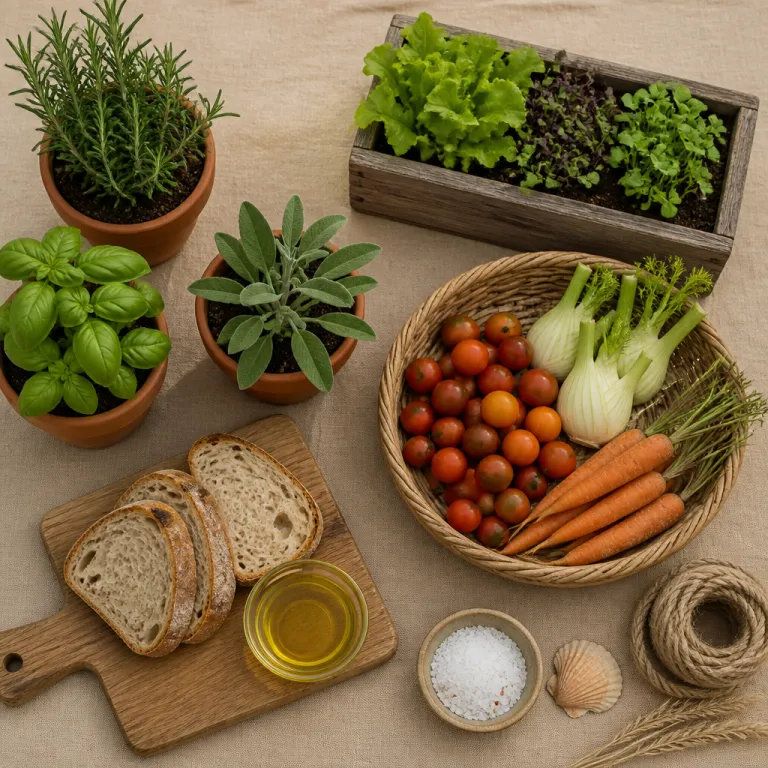
Why beach resort farm to table dining now defines true coastal luxury
On the new luxury coast, the most coveted table sits a few steps from the surf, where beach resort farm to table dining quietly rewrites what a seaside stay can be. Couples who once chose a property for its infinity pool now ask how many farms supply the kitchen and whether the chef walks the rows before service. When the farm is as close as the beach, every plate, every glass, and every view starts to feel more intentional.
Resorts that take this seriously treat the farm as a core amenity, not a marketing flourish, and they build dining experiences around seasonal produce rather than fixed hotel menus. You will see raised beds of herbs beside the path to the city beach, a small plum orchard near the spa, or a compact plum farm tucked behind the dunes, all feeding the same table where you sit at sunset. This is where the phrase farm fresh stops being a cliché and becomes a literal description of the food and drink in front of you.
Beach Plum Farm in Cape May, often called a farm cape landmark, supplies local produce and eggs to Cape Resorts properties and shows how a working farm can anchor coastal gastronomy. Its fields sit a short drive from the coast, yet the flavors land directly on your plate at the group’s table restaurants, turning every forkful into a quiet tour of the surrounding farms. When a resort can point to a specific beach plum hedge or a named farm table partner, you gain a level of trust that standard resort dining simply cannot match.
From garden rows to oceanfront plates: how the best resorts actually do it
At serious farm to shore properties, the journey from soil to table is mapped as carefully as the spa program, and beach resort farm to table dining becomes a daily ritual rather than a themed night. Aqua Beach Resort & Spa, for example, runs a compact kitchen garden where chefs cut herbs minutes before service, folding that fresh intensity into seafood broths and summer salads. Mauna Kea Beach Hotel’s Ulu Garden grows traditional Hawaiian crops, turning the resort’s dining into a living archive of island food culture.
These gardens are not decorative; they are working farms that shape menus, staffing, and guest programming, and they sit as close to the beach as zoning allows. Culinary teams lean on traditional farm tools, hydroponic systems, and permaculture layouts to keep seasonal produce coming year round, which means your dinners track the real harvest calendar rather than a corporate recipe book. When you sit down for table dining at sunset, the chef can tell you which rows produced tonight’s ingredients and which local farms supplied the raised meats and fresh seafood.
Guest engagement follows naturally when the farm is visible from the oceanfront path, and couples are invited to walk between beds before their harvest dinner. Resorts now schedule garden tours, food and drink tastings, and even small batch preserving workshops where you help turn surplus produce into pickles or jams. One industry definition captures this shift clearly : “What is a farm-to-shore resort? A resort combining on-site agriculture with beachfront amenities.”
The chef factor: when restaurant talent leads the coastal food story
The sharpest beach resort farm to table dining programs are no longer run by anonymous hotel food and beverage managers; they are led by chefs with serious restaurant pedigrees. These chefs treat the farm as their primary supplier, building menus around local produce, raised meats, and fresh seafood rather than imported luxuries. The result is a style of coastal dining where a simple plate of grilled fish, a wedge of beach plum tart, and a glass of small batch vermouth can feel more luxurious than any white truffle pasta.
Look at how Playa Viva in Mexico structures its kitchen around a regenerative farm, or how Six Senses properties worldwide insist on organic gardens as standard, and you see the pattern. Soneva Fushi in the Maldives sources Maldivian ingredients with the same rigor that a city restaurant might apply to a farm table partnership in Florida or on the cape jersey shoreline, and the food feels rooted rather than generic. Even large brands are shifting, with properties like Conrad Tulum bringing Michelin recognized chefs into an all inclusive framework, proving that serious dining experiences can coexist with resort scale.
For couples planning a romantic escape, the practical question is how to read this from home, and how to choose a coast where the restaurant justifies the room rate. Start by scanning the resort website for a named chef, a clear explanation of where ingredients come from, and whether the main venue is presented as a standalone restaurant rather than just another hotel outlet. Guides such as this curated list of beach resorts with standout dining can help you filter quickly, especially when you cross check them against your own priorities for food, view, and service.
Reading between the lines: how to evaluate a resort’s food program before you book
When you scroll through glossy photos, it can be hard to tell whether a property truly offers beach resort farm to table dining or just uses the language. The key is to look for specifics : named farms, clear references to seasonal produce, and concrete mentions of local partners rather than vague talk of freshness. If a resort can tell you which farm cape supplier grows its greens or which plum farm provides fruit for desserts, you are on the right track.
Menu language is another reliable indicator, and you should read it as closely as you would a room description or spa list. Phrases like locally sourced, farm fresh, and fresh seafood only mean something when they are attached to real places, such as a particular stretch of coast in Florida, a cooperative near Panama City, or a family run operation outside a cape jersey town. When you see dishes that change with the tides and the weather, such as a rotating dinner series built around the catch of the day and the latest harvest dinner from nearby farms, you know the kitchen is cooking in real time.
Do not ignore the wider ecosystem either, because the surrounding city and beach culture often shapes what ends up on your plate. A property near Panama City Beach, for example, might pair its own garden produce with the lively restaurant scene highlighted in this guide to dining in Panama City Beach, giving you both on site and off site options. Before you book, email the resort with specific questions about farms, ingredients, and table restaurants, and pay attention to how precisely the team answers.
Beyond the plate: immersive coastal dining experiences for curious couples
Once you arrive, the most memorable beach resort farm to table dining moments often happen away from the formal restaurant. A morning walk through the garden with the head gardener, followed by a simple breakfast at a shaded table overlooking the beach, can feel more intimate than any elaborate tasting menu. When you can smell the soil on the herbs and hear the surf at the same time, the connection between farm and shore becomes tangible.
Many properties now build full dining experiences around this connection, offering cooking classes, catch and cook excursions, and even shoreline foraging walks. You might join a small group to harvest seasonal produce, then move to an outdoor kitchen where a chef guides you through a farm table lunch built from those ingredients and a tray of fresh seafood landed that morning. Some resorts host a recurring dinner series, where visiting chefs collaborate with local farms to create one night only menus that showcase raised meats, small batch condiments, and the best food and drink of the season.
For couples who like structure, these programs can be as central to the trip as spa appointments or sailing lessons, and they often sell out quickly. When browsing options, look for language about harvest dinner events, garden workshops, or named dining experiences rather than generic references to themed nights. Properties such as those featured in this overview of exceptional Gulf Coast stays show how a thoughtful calendar of food events can turn a simple beach holiday into a deeper exploration of place.
Where farm meets shore: regional nuances from Florida to global coasts
Not every coast expresses beach resort farm to table dining in the same way, and that is precisely the point. On the Atlantic side, places like cape jersey lean into partnerships with Beach Plum Farm and other nearby farms, weaving beach plum preserves, local produce, and farm fresh eggs into breakfast spreads that feel distinctly Northeastern. Along the Gulf coast of Florida, by contrast, the emphasis often falls on fresh seafood, with resorts pairing dockside catches with herbs and vegetables from compact on site gardens.
Further south, around Panama City and Panama City Beach, the rhythm shifts again, and you will see more tropical ingredients and a stronger interplay between city food culture and resort kitchens. A property might run its own small farm outside the city, then bring that produce into table dining rooms that overlook the beach and the urban skyline, blurring the line between resort and city restaurant. In Central America near Panama, some coastal retreats now work with indigenous communities and local farms to source ingredients, turning every harvest dinner into a quiet lesson in regional food history.
Global brands are learning from these regional leaders, adopting kitchen gardens and farm partnerships as standard practice rather than optional extras. The most forward thinking teams treat their farms as laboratories for small batch experiments, testing new varieties of plum, herbs, or greens before scaling them up across menus. For you as a traveler, the practical takeaway is simple : choose properties where the farm, the beach, and the table are all part of the same story, and where the view from your chair includes both the ocean and the garden that feeds you.
Key figures shaping farm to shore coastal gastronomy
- A Sustainable Travel Report indicates that 70 % of travelers now prefer sustainable accommodations, which directly supports the rise of beach resort farm to table dining as a core decision factor rather than a niche preference.
- Resorts that integrate on site gardens with beachfront settings report year round harvests, thanks to staggered planting and seasonal produce planning, which allows chefs to adjust menus weekly instead of relying on frozen imports.
- Properties that combine traditional farming equipment with hydroponic systems and permaculture designs can increase usable growing space by up to 30 % on constrained coastal plots, making small farms economically viable beside the beach.
- Guest participation in garden tours, cooking classes, and harvest dinner events has grown steadily, with many resorts now reporting that these dining experiences rival spa treatments as top ancillary revenue sources.
- Farm to shore models help reduce the carbon footprint of resort food operations by shortening supply chains and emphasizing locally sourced ingredients, which aligns with broader eco friendly tourism goals across global coasts.
Frequently asked questions about farm to shore beach resort dining
What is a farm to shore beach resort in practical terms ?
A farm to shore beach resort combines on site or nearby agriculture with beachfront amenities, using its own gardens and partner farms as primary suppliers for the kitchen. This model ensures that seasonal produce, raised meats, and fresh seafood define the menus rather than imported staples. Guests experience a direct connection between the landscape they see and the food they eat.
Why do so many coastal resorts invest in kitchen gardens now ?
Resorts invest in kitchen gardens because they want control over quality, freshness, and sustainability, especially as more guests prioritize responsible travel. Growing herbs, vegetables, and fruit on site reduces dependence on long supply chains and allows chefs to design menus around what is truly in season. It also creates new guest activities, from garden tours to cooking classes, that deepen the overall stay.
How do kitchen gardens and farms benefit guests during their stay ?
Kitchen gardens and partner farms benefit guests by improving flavor, transparency, and engagement with the destination. When ingredients are harvested hours before service, dishes carry a brightness that is hard to replicate with shipped produce, and menus can respond quickly to weather and harvest conditions. Guests also gain insight into local agriculture through tours, tastings, and harvest dinner events that turn meals into experiences.
How can I tell if a resort’s farm to table claims are genuine ?
You can assess credibility by looking for named farms, specific references to local produce, and clear explanations of sourcing practices on the resort’s website and menus. Genuine programs usually highlight their farmers, gardeners, and fishers, and they often publish seasonal menus that change regularly. If you email the property with questions about ingredients and receive detailed, confident answers, that is another strong sign of authenticity.
Are farm to shore resorts more expensive than traditional beach properties ?
Rates at farm to shore resorts can be higher, but the value often lies in what is included, especially when dining experiences are central to the stay. You may pay a premium for rooms, yet gain access to garden tours, cooking classes, and multi course dinners built around local harvests and fresh seafood. For many couples, the combination of coastal setting and serious food program justifies choosing these properties over cheaper but less distinctive options.