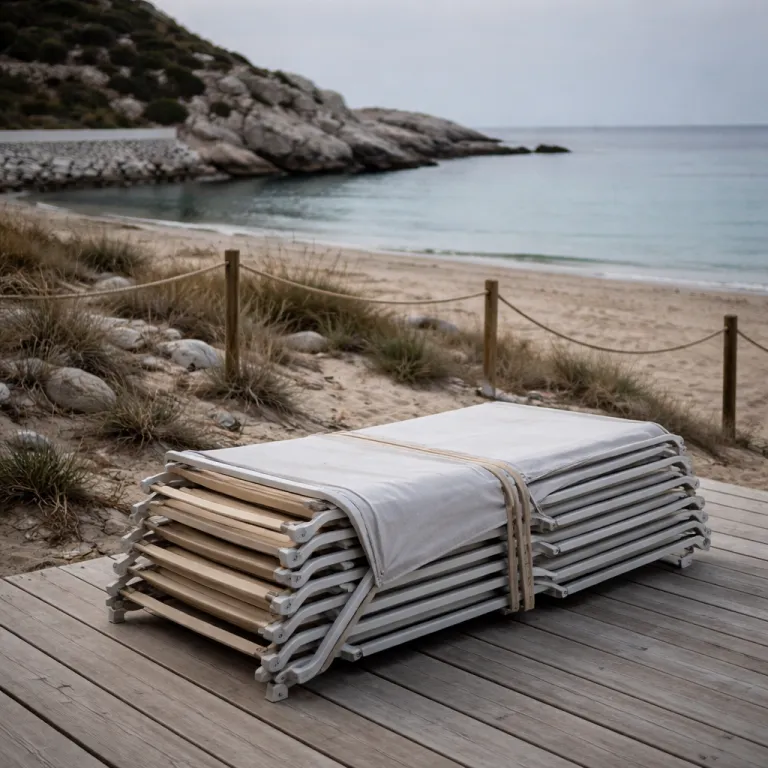
Greece beach rules and the rise of untrodden shores
Greece beach rules 2026 are reshaping where and how luxury travelers can actually spread a towel. Under the latest policy update, 251 protected beaches are now officially classified as untrodden beaches, with Greek Ministry of Environment officials confirming that commercial activity, sunbeds, umbrellas, and large events are prohibited. This list of protected beaches sits at the heart of a wider strategy to ensure effective protection beaches policies while still supporting high value tourism development across the islands.
The Greek Ministry of Environment, working with local municipalities and tourism boards, has issued a clear statement that these beaches protected under Natura 2000 are being managed for their aesthetic, geomorphological, and ecological value, not for rows of sunbeds umbrellas. In practice, that means some of the best beaches for wildlife, including habitats for monk seals and loggerhead turtles, are now beaches protected from any commercial activity at all, even from the most discreet luxury beach clubs. For travelers following travel news and planning their time in Greece, the official list beaches published by the ministry is now as important as any glossy advertisement or hotel newsletter, and can be checked directly on the Greek Ministry of Environment website or via its linked press releases.
Policy tools include digital monitoring of beach activity and on the ground checks by local authorities, which aim to ensure effective enforcement without undermining public access to every beach. The context is clear: overtourism and unmanaged tourism development were eroding beaches aesthetic character and damaging fragile flora fauna along heavily used stretches of sand. As one official FAQ from the Greek Ministry of Environment puts it, “What activities are banned on 'untrodden' beaches? Commercial activities, sunbeds, umbrellas, and large events are prohibited.” Concrete examples include well known Natura 2000 sites such as parts of Zakynthos, where loggerhead turtles nest, and remote coves on Naxos that are now treated as protected shorelines under the same enforcement guidance.
What greece beach rules 2026 mean for luxury resorts and eco conscious guests
For high end travelers, the new Greek coastal regulations do not remove the best beaches from the map; they change the rhythm of a coastal stay. Many premium resorts now separate their guest experience into two distinct areas, with one fully serviced beach zone where sunbeds umbrellas, cabanas, and dining are allowed, and another stretch of protected beaches left almost entirely untrodden for quiet swimming and low impact activity such as guided snorkeling. This dual approach respects long standing rules around public shoreline access while still delivering the level of service luxury guests expect.
On islands like Naxos, Paros, and Rhodes, some of the best resorts are pivoting toward eco conscious developments that foreground beaches aesthetic and ecological well being instead of maximal commercial activity. You will see more boat access coves, fewer loud beach bars, and more emphasis on guided walks that explain local flora fauna, monk seals haul out zones, and loggerhead turtles nesting corridors in nearby protected areas. For readers interested in how this compares with other sustainable coastal models, our guide to luxury eco friendly beach resorts and sustainable escapes sets Greece alongside destinations tightening rules from Barcelona to Bali.
Luxury booking platforms now highlight whether a beach is classified as untrodden, whether it sits inside beaches protected for their aesthetic geomorphological features, and how far serviced sunbeds are from the high tide line. This level of detail helps solo travelers allocate time between quiet, regulation heavy shores and livelier bays where tourism development is still encouraged. It also aligns with rising demand tracked in international travel news, where more guests say they want the best beaches that feel wild but are still reachable without breaking any local rules, especially on islands where Natura 2000 sites and protected shorelines sit close to fully serviced resort bays.
Planning your trip: using greece beach rules 2026 to your advantage
For anyone using a luxury and premium booking website, the smartest move is to treat greece beach rules 2026 as a planning tool rather than a constraint. Start by checking the official list beaches from the Greek Ministry of Environment, then cross reference it with resort maps to see which nearby beach areas are untrodden beaches and which allow managed commercial activity. Many high end properties now send a pre arrival newsletter summarizing local regulations, privacy policy notes, and links to travel news so guests can plan their beach time with confidence.
If you value quiet, look for resorts that border protected beaches but operate their serviced zones on adjacent, non protected stretches, often reachable in minutes by golf cart or boat. These properties tend to invest in low impact design that respects geomorphological ecological conditions, such as raised walkways over dunes and lighting schemes that avoid disturbing monk seals and nesting loggerhead turtles. For a sense of how thoughtful shoreline management feels in practice, compare these Greek stays with the carefully zoned waterfront at this elegant Gulf Coast beach resort, where the focus is also on balancing guest comfort with long term protection beaches strategies.
Social channels such as Facebook, Twitter, and specialist travel news feeds are now full of maps, infographics, and on the ground reports about beaches protected status across Greece. Use that real time news to refine your own list of best beaches, prioritising those where beaches aesthetic qualities remain intact and where flora fauna are thriving under the new regime. Over time, these rules are likely to push tourism development toward quality over quantity, which means that for the solo explorer willing to read the fine print and respect local guidance from officials, the untrodden beach may become the true luxury amenity, especially on islands where Natura 2000 sites and other protected shorelines sit just beyond the main resort promenades.