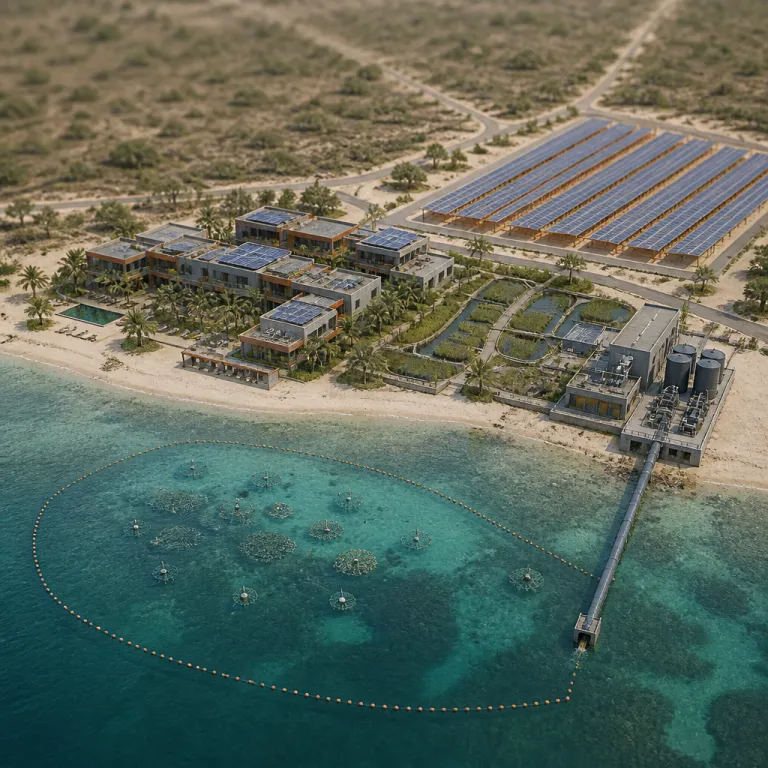
From marketing gloss to measurable sustainable luxury on the shore
Luxury travelers are no longer satisfied with a palm tree logo and a vague sustainability policy on a booking page. They want a sustainable luxury beach resort 2026 level of transparency, where every kilowatt, litre, and kilogram of waste is tracked and shared with guests. For solo travelers who care about eco friendly choices, the question is simple yet demanding ; which beach resorts can prove that their sustainability initiatives are real and not just another layer of green paint.
The most convincing properties now treat sustainability as core infrastructure, not a side project for marketing or tourism awards. At Bucuti & Tara in Aruba, the first fully carbon neutral resort in the Caribbean, management has spent years refining resort eco systems that cut the carbon footprint of each stay while still delivering a refined, quiet travel experience. Their approach shows how luxury eco design, from efficient air conditioning to low energy lighting, can coexist with a wide, wind brushed beach that remains largely untouched for nesting turtles and local wildlife.
Behind the scenes, Resort Management teams work with Environmental Consultants and the Local Community to align daily practices with long term sustainable travel goals. These actors oversee everything from waste reduction in kitchens to water conservation in landscaped gardens, ensuring that eco friendly operations are not compromised when occupancy peaks and hotels resorts are full of guests. For travelers comparing properties on a premium booking platform, this level of operational discipline is what separates the best sustainable luxury beach resort 2026 candidates from friendly hotels that only talk about supporting environmental causes without changing how they actually run the resort.
Solar farms and floating panels ; when the sun powers your ocean view
Energy is where the gap between sustainability marketing and reality shows most clearly at any beach resort. A genuinely sustainable luxury beach resort 2026 level property will publish how much of its power comes from solar farms or other renewable sources, rather than hiding behind generic eco language. Six Senses Ibiza, for example, runs on a large scale solar photovoltaic system and uses ozone treated pools, proving that luxury resorts can be both indulgent and rigorously sustainable.
New coastal developments are going further by experimenting with floating solar panels on sheltered lagoons and reservoirs. One recent project using floating solar technology in the Maldives delivers around 90 % of a resort’s energy needs from the sun, illustrating how resort eco engineering can dramatically cut carbon emissions without compromising guest comfort. When you filter beach resorts on a booking site, look for properties that explain whether they use solar farms on land, floating arrays on water, or hybrid systems that keep the carbon footprint of each stay as low as possible.
For travelers heading to the Greek islands, solar powered water heating and desalinated seawater are becoming standard at forward thinking hotels resorts. Four Seasons in Mykonos, for instance, combines solar thermal systems with a desalination plant and a plastic free approach that aligns with Greece’s new protected shoreline rules, which are reshaping how sunbeds and umbrellas can be placed along sensitive coasts ; this is explored in depth in this guide to protected beaches and sunbed regulations. These properties show that sustainable travel is not about sacrificing comfort, but about choosing friendly hotels where energy practices, water systems, and beach management are designed to have a positive impact on both guests and the local environment.
Desalination plants, water conservation, and the end of single plastics
Freshwater is the quiet fault line in coastal tourism, especially at remote beach resorts where rainfall is seasonal and aquifers are fragile. A sustainable luxury beach resort 2026 standard property will often rely on desalination plants powered by solar energy or other renewables, turning seawater into a reliable supply for showers, pools, and kitchens. Recent solar powered desalination projects in the Red Sea region show that resorts can now produce hundreds of cubic metres of potable water per day while keeping carbon emissions in check.
For guests, the visible side of water conservation appears in low flow fixtures, smart irrigation for gardens, and discreet signage explaining how every stay contributes to reduced consumption. Behind the scenes, Environmental Consultants help design reverse osmosis systems and greywater recycling loops that allow hotels resorts to maintain lush landscaping without draining local resources or harming community development. When you compare properties during booking, prioritise those that explain their water conservation practices clearly, including how they minimise leaks, monitor usage, and avoid over extraction from local sources.
Single use plastics are another litmus test for whether a beach resort is serious about sustainability initiatives or simply chasing eco labels. The most credible luxury eco properties have eliminated single plastics from rooms, restaurants, and beach service, replacing them with refillable glass, aluminium, or biodegradable alternatives that still feel premium. As you weigh the best options for your next travel experience, pay attention to how each resort eco policy addresses plastic bottles, bathroom amenities, and takeaway packaging, because these details reveal whether the management is genuinely supporting environmental goals or just responding to the overtourism paradox described in this analysis of why crowded destinations keep building more luxury resorts.
Marine reserves, community development, and the real cost of your footprint
The most persuasive sign that a property deserves the label of sustainable luxury is what happens beyond the pool deck and into the sea. Resorts that co manage marine reserves with local authorities or NGOs are not just protecting coral and fish ; they are safeguarding the very beach and reef systems that make a stay desirable. OUTRIGGER Koh Phi Phi, set within a Thai national park, operates eco villas that sit lightly on the land while funding reef monitoring and supporting environmental education for nearby communities.
Marine protected areas around some resorts now extend across dozens of hectares, with strict rules on anchoring, fishing, and motorised water sports. These zones are monitored using marine science equipment, and the data helps Resort Management adjust tourism practices to reduce the carbon footprint of boat transfers, diving, and snorkelling excursions. For travelers, choosing a beach resort that invests in marine reserves is one of the most direct ways to ensure that their travel experience contributes to long term positive impact rather than short term extraction.
On land, community development is just as critical as coral conservation for any sustainable luxury beach resort 2026 candidate. Properties that hire locally, source food from nearby farms, and fund conservation activities create a virtuous circle where tourism revenue supports livelihoods and environmental stewardship at the same time. When you read about a resort eco programme, look for specific commitments such as training for local staff, partnerships with environmental NGOs, and guest activities that include conservation volunteering, because these details show how deeply sustainability is woven into the culture of the resort and not just its marketing language.
How to read certifications, test for greenwashing, and book smarter
Certification logos have become the new beachfront currency, but not all recognised certifications measure the same things. EarthCheck focuses heavily on operational metrics such as energy, water, and waste, while BREEAM ratings assess the sustainability of buildings and infrastructure from design through operation. B Corp status, held by properties like Playa Viva with a score above 110, evaluates how a resort treats workers, the local community, and the environment, offering a broader view of sustainable travel performance.
For travelers scanning a booking page, the key is to treat every eco label as the start of a conversation, not the end. Ask the resort to share data on energy sources, water treatment, and waste reduction, and request details on how they manage single plastics and measure their carbon footprint per guest night. You can also enquire about recognised certifications, community development projects, and whether the resort has a clear policy on supporting environmental initiatives beyond its own property lines.
Several coastal developments now integrate solar farms, desalination plants, and marine reserves from the planning stage, because developers have learned that eco features reduce operating costs while attracting guests who stay longer and spend more. A property like Bucuti & Tara in Aruba, or a refined coastal stay such as the one reviewed at this detailed guide to a turtle friendly beach resort, shows how a clear sustainability policy can coexist with high end service and design. As you plan your next luxury eco escape and compare beach resorts, remember that the best sustainable luxury beach resort 2026 options will welcome tough questions, share transparent data, and invite guests to use eco friendly transportation, participate in conservation activities, and respect local wildlife.
FAQ
What is a green beach resort ?
What is a green beach resort? A resort utilizing sustainable practices to minimize environmental impact. In practice, that means rigorous sustainability initiatives across energy, water, waste, and community development, supported by recognised certifications and transparent reporting that allows travelers to see how their stay affects the local environment.
How do solar farms benefit resorts and guests ?
How do solar farms benefit resorts? They provide renewable energy, reducing reliance on fossil fuels. For guests at a sustainable luxury beach resort 2026 level property, this translates into a lower carbon footprint per stay, more stable operating costs that protect room rates over time, and the reassurance that their travel experience supports long term eco friendly tourism rather than adding to global emissions.
Why are desalination plants important for coastal resorts ?
Why are desalination plants important for resorts? They ensure a sustainable freshwater supply in coastal areas. When powered by solar or other low carbon sources, these systems allow beach resorts to maintain comfortable operations, support local employment, and reduce pressure on community water resources, all while aligning with strict water conservation practices.
What role do marine reserves play in eco tourism ?
What role do marine reserves play in eco-tourism? They protect biodiversity, enhancing the natural appeal for tourists. For guests choosing a luxury eco property, staying near a well managed marine reserve means healthier reefs, clearer water, and richer wildlife encounters, while their tourism spending helps fund ongoing monitoring, enforcement, and education programmes that deliver a lasting positive impact.
How can I tell if a resort’s sustainability claims are credible ?
To assess credibility, look for detailed sustainability reports, third party recognised certifications such as EarthCheck or B Corp, and clear explanations of energy sources, water conservation, and waste reduction policies. Ask specific questions about single plastics, carbon neutral goals, and how the resort supports local community development, because genuinely sustainable luxury properties will respond with concrete data rather than vague marketing phrases.