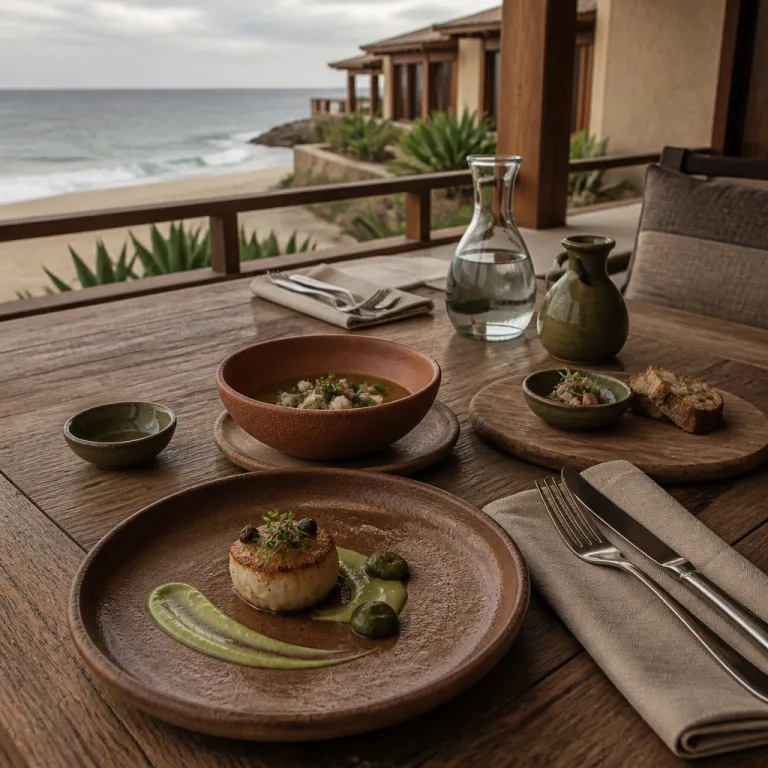
Why the luxury beach resort fine dining destination now leads your booking decision
At the top coastal properties, the luxury beach resort fine dining destination is no longer a side note to the beach. Guests now choose a resort because the dining restaurant can stand beside serious city restaurants, with tasting menus that quietly justify a higher room rate. When you book your next hotel stay, you are often paying as much for the chef’s name as for the beach ocean view.
Industry surveys and internal resort reports consistently show that a large share of guests now cite dining as a primary reason for choosing a property, which explains why kitchens sometimes receive more capital than guest rooms. A 2023 STR and CoStar snapshot on luxury resorts, for example, notes that food and beverage–led properties can sustain double digit rate premiums, while a Cornell Hospitality Quarterly review of resort case studies reports room rate uplifts in the mid teens when restaurants become destination venues. In practice, that means a coastal hotel may invest more per key in induction suites, charcoal grills and fermentation labs than in marble for rooms suites, because the restaurant drives both rate and repeat booking. Properties that successfully position their dining rooms as destination restaurants often sustain room rates around 15–25 % higher than comparable resorts, and that premium is easiest to defend when the tasting menu feels like the best table on the island.
On a curated booking platform for luxury beach hotels, you now filter first by dining options, then by pool size or spa menu. You might compare gulf views and ocean facing rooms, but the final decision often comes down to whether the dining experience offers fresh seafood, serious wine and a sense of place. For business leisure travelers extending a trip, a hotel that offers a credible fine dining restaurant on site can turn one night after meetings into a full weekend at the resort.
From hotel restaurant to destination table: how resorts reframe the beach
At a true luxury beach resort fine dining destination, the restaurant is not an amenity tucked behind the pool. It is the house that anchors the entire resort narrative, with the beach and spa designed almost as supporting spaces around the kitchen. Guests arrive for the ocean and stay because the dining restaurant gives them a reason to explore the menu night after night.
Excellence Playa Mujeres in Cancún, Le Blanc Spa Resort Cancun and Disney's Grand Floridian Resort all illustrate how coastal hotels now treat food and beverage as the main stage. These resorts curate multiple dining options, from a quiet fine dining room to a relaxed beach club, and each space is engineered to frame a different view of the beach ocean or lagoon. A guest at Excellence Playa Mujeres might move from a ceviche bar at lunch to a multi course tasting menu built around line caught snapper at dinner, while at Le Blanc a chef’s menu of lobster, scallops and citrus desserts is timed to sunset over the water.
For travelers comparing properties, it helps to think less about a generic hotel restaurant and more about whether the resort offers a dining experience that would justify a trip even without the beach. Some coastal houses now program live music on the terrace, pair afternoon tea with gulf views and add a rooftop restaurant to capture sunset over the ocean. As one general manager at a Riviera Maya property put it during a 2022 HSMAI roundtable, “If guests would drive in from the city just for dinner, we know the restaurant is strong enough to carry the whole resort.” These touches turn the restaurant into a destination table that shapes the entire stay rather than a convenient place to eat between swims.
Chef residencies and the new urgency to book the right week
One of the sharpest shifts in the luxury beach resort fine dining destination world is the rise of chef residencies. Instead of hiring a single executive chef for years, some resorts now host Michelin starred teams for limited seasons, turning a quiet island into the hardest reservation to book that month. Guests who care about food plan their entire resort booking window around these dates.
For coastal hotels, residencies create urgency and a reason for repeat visits, because the dining experience changes with each guest chef. A resort might host a Nordic seafood specialist in spring, then pivot to a Latin American fire cooking program in autumn, all while keeping the same beach club, spa and pool infrastructure. The result is a property where rooms suites and guest rooms feel like comfortable backstage spaces for a constantly evolving restaurant stage.
From a revenue perspective, a residency can support tasting menus at 200 dollars or more, which helps justify premium room rates even when the house is not full. At several Indian Ocean resorts, for instance, headline collaborations with chefs from restaurants such as Noma, Mirazur or Central have seen multi course menus priced in the 220–280 dollar range, with optional wine pairings on top. Guests enjoy the sense of access, knowing that the chef they saw in a city restaurant now cooks with fresh seafood pulled from waters they can see from their table. Many resorts open reservations for these headline dinners 60 to 90 days in advance, and prime sunset seatings often disappear within hours of release, a pattern echoed in booking data shared at the 2023 Global Restaurant Investment Forum.
Nobu, ritz carlton and the economics of building a restaurant first resort
Some brands now design the entire luxury beach resort fine dining destination around a single restaurant name. Nobu’s resort strategy, including the announced Nobu Hotel and Residences Maldives with a signature Nobu Restaurant on a private island, is a clear case where the dining room defines the resort more than the rooms. Guests book the hotel because they want Nobu by the ocean, not the other way around.
Ritz Carlton properties in coastal markets have followed a similar logic, investing heavily in kitchen infrastructure and chef talent to ensure their dining restaurant can compete with independent city venues. In these resorts, the capital allocation per key often favors the back of house, with state of the art kitchens, aging rooms for fresh seafood and pastry labs that rival stand alone patisseries. When a tasting menu sells at a high price point and tables turn steadily, the restaurant becomes a profit center that supports generous space for guest rooms and suites with wide gulf views.
For travelers, this shift means that the best value may lie in booking a room that gives you priority access to the restaurant, especially during peak seasons. A hotel that guarantees preferred seating for in house guests at its fine dining venue effectively sells both a bed and a ticket to a sought after performance. When you review details daily on a booking site, pay attention to whether the resort positions its restaurant as a destination in itself or just another amenity beside the pool and spa.
Sourcing as storytelling: from reef to table and beyond the menu
At a serious luxury beach resort fine dining destination, the story of the meal begins long before the plate reaches your table. Menus now name the fisherman, the reef or even the specific stretch of beach ocean where the shellfish were harvested. Guests enjoy this transparency, but it has quickly become standard rather than a differentiator.
Resorts that lead the field go further, building on site fermentation programs, garden plots near the spa and partnerships with indigenous communities for herbs and grains. A chef might serve fresh seafood cured in house garum, paired with vegetables grown within a few hundred meters of the guest rooms, while explaining how the recipe protects local species. This approach turns each dining experience into a lesson in natural beauty and coastal stewardship, not just a parade of fine plates.
For travelers, the practical step is to explore how deeply a resort integrates its sourcing into the overall stay. Look for hotels that offer kitchen garden tours, reef to table excursions or afternoon tea that highlights local botanicals instead of generic blends. When you view details on a booking platform, pay attention to whether the dining options mention specific producers, seasonal menus and details daily about changing catches, because those signals often correlate with higher quality on the plate.
Designing the day around the table: how to book and structure a culinary stay
Planning a stay at a luxury beach resort fine dining destination means structuring your days around meals rather than around the pool. Start by securing reservations for the fine dining restaurant before you even book your flights, especially if the property hosts chef residencies or has limited seating. Once those anchor meals are set, you can layer in spa appointments, beach time and island excursions.
Think of the resort as a small coastal city where each venue offers a different rhythm and view. A rooftop restaurant might be perfect for sunset cocktails and views gulf wide, while the beach club handles relaxed lunches with ice cream and grilled fresh seafood steps from the sand. Inside the main house, a quieter dining room could host afternoon tea with gulf views, giving business travelers a refined space to meet clients before shifting into leisure mode.
When you book through a specialist platform like beach-resort-stay.com, use filters that prioritize restaurant quality, not just star ratings for hotels. Our guide to traveling solo to a couples focused resort shows how a strong culinary program can make even a romantic property feel welcoming for independent guests. As you review rooms suites, check whether certain categories include guaranteed seating times, chef’s counter access or in room tasting menus, because those details can transform a standard stay into a genuinely destination worthy dining experience.
How to read menus, spaces and small signals before you commit
Evaluating a luxury beach resort fine dining destination from your laptop requires reading between the lines. Start with the menu; a focus on a few precise dishes built around fresh seafood and seasonal produce usually signals more confidence than a sprawling list. When a resort publishes details daily about changing catches or tasting menus, it suggests a kitchen that cooks to the tide rather than to a template.
Next, study the spaces where guests enjoy their meals, because architecture often reveals priorities. A restaurant that claims to be the best on the island but hides behind the lobby with no beach ocean view may not be as central to the resort as marketing suggests. By contrast, when guest rooms open directly toward a terrace where live music plays softly beside the pool and dining tables, you can feel that the house was designed around the restaurant.
Finally, look at how the hotel talks about its team and sourcing, and whether the spa, bar and rooftop restaurant are integrated into a coherent culinary story. Properties that treat ice cream kiosks, beach club grills and formal dining rooms as parts of one ecosystem usually deliver more consistent quality. If you explore several hotels and still hesitate, prioritize the one where the restaurant would tempt you to visit even if there were no rooms available, because that is the clearest sign that the table truly justifies the room rate.
Key figures shaping resort dining as a destination
- Internal reporting at many coastal resorts indicates that a substantial share of guests now cite dining as a primary reason for choosing a property, confirming that food increasingly rivals the beach as a booking driver.
- Properties that successfully position their restaurants as destination venues often sustain room rates roughly 15–25 % higher than comparable resorts, showing how a strong culinary program directly supports higher revenue per available room.
- High end coastal resorts increasingly operate year round with seasonal menus, using ongoing culinary events to smooth occupancy across low and high seasons and to encourage repeat visits.
- Many luxury properties now feature multiple dining options, often three to seven venues per resort, to cover everything from casual beach club lunches to formal fine dining tasting menus.
Frequently asked questions about destination worthy resort dining
Which resorts currently offer the strongest destination dining experiences ?
Excellence Playa Mujeres, Disney's Grand Floridian Resort and Le Blanc Spa Resort Cancun are renowned for exceptional dining, with multiple restaurants, serious wine programs and menus that justify planning a trip around the table. These hotels treat their restaurants as flagships rather than amenities, often matching or surpassing city fine dining standards. When comparing options, look at how prominently each resort features its culinary program in marketing and guest reviews.
Is dining usually included in the room rate at luxury beach resorts ?
Many luxury resorts operate on an all inclusive or semi inclusive model where several dining options are covered in the room rate, especially breakfast and selected restaurants. However, tasting menus, premium fine dining venues and rare wine pairings often carry supplements even at all inclusive properties. Always check the view details section of your booking confirmation to understand which meals and venues are included.
Do high end resorts accommodate dietary restrictions and preferences ?
Most upscale coastal hotels are well equipped to handle dietary needs, including vegetarian, vegan, gluten free and allergy specific requests. The best practice is to note requirements during booking and then speak directly with the restaurant team or concierge before arrival. Resorts that position themselves as serious culinary destinations usually welcome these conversations and can tailor tasting menus accordingly.
How far in advance should I book restaurant reservations at a resort ?
For headline fine dining venues, especially those with chef residencies or limited seating, it is wise to book as soon as you confirm your room, sometimes several weeks in advance. More casual beach club or poolside restaurants often have more flexibility, but prime sunset times can still fill quickly. If a specific tasting menu is central to your trip, treat that reservation as critical as your flight.
How can I tell if a resort restaurant is truly destination worthy ?
Look for a focused menu built around local ingredients, clear information about sourcing and a space that claims the best views of the beach or oceanfront. Independent reviews that highlight the restaurant rather than just the rooms are another strong signal. When a property’s dining room would tempt you to visit even without staying overnight, you are likely looking at a genuine destination restaurant within a resort.