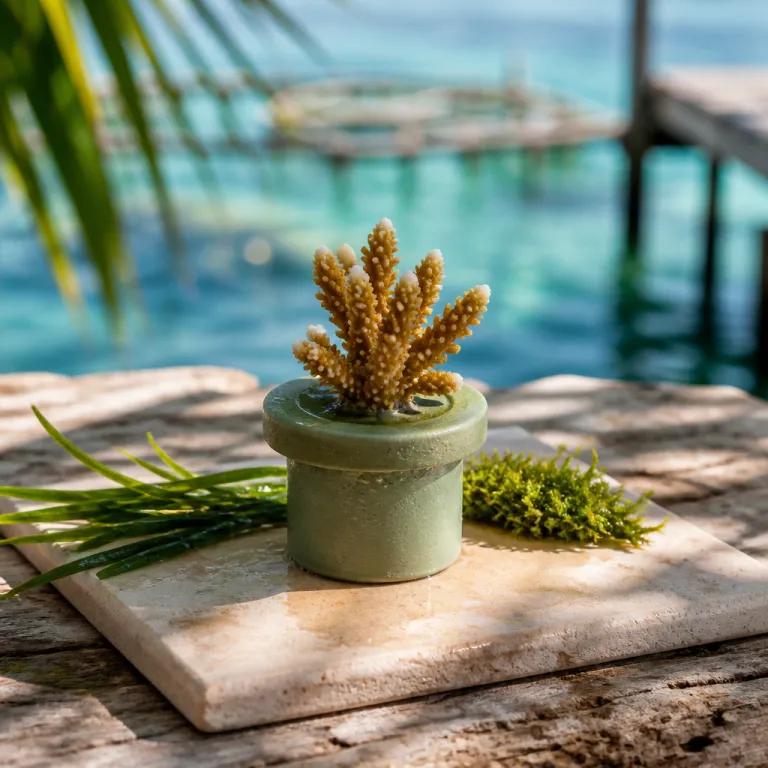
From sustainable to regenerative: what it means for your beach stay
Luxury travelers now hear constant promises about sustainable tourism on every ocean-facing page. Yet the properties that truly lead regenerative tourism go beyond reducing harm and actively rebuild coral reefs and the wider marine ecosystems. For a premium family planning a stay at a beach resort, the difference shapes what your children will see under the water and how their memories of marine life will feel years from now.
Sustainable practices focus on using fewer resources, while regenerative tourism beach resort coral restoration strategies are designed to heal damaged coral reefs and support long-term conservation. In practice, that means a resort funding coral regeneration, running a transparent coral restoration program, and inviting guests into reef restoration activities rather than keeping them at the pool bar. When a resort treats its surrounding coral as a living asset rather than a backdrop, the entire tourism sector on that island begins to shift toward genuine marine conservation.
Resorts engaged in regenerative tourism usually publish data about their restoration efforts and the health of nearby coral reefs. They work with local communities, marine scientists, and conservation organizations to monitor coral bleaching, track coral fragment survival, and measure reef restoration outcomes over time. For families, this creates a rare chance to align a luxury stay with meaningful ocean conservation, while still enjoying the comfort, service, and privacy expected at high-end resorts.
How leading resorts are rebuilding coral reefs, one fragment at a time
Across the Maldives, Indonesia, Fiji, Jamaica, and the U.S. Virgin Islands, a quiet revolution is reshaping what a luxury beach resort can be. Properties such as Wakatobi Dive Resort and Holiday Inn Resort Kandooma Maldives now treat coral restoration as core infrastructure, not a side project. Their teams manage coral nurseries, plant coral fragments on artificial reef structures, and invite guests to see how regenerative tourism can protect marine life while still supporting the blue economy.
At Holiday Inn Resort Kandooma Maldives and Constance Moofushi, more than 1,500 coral fragments have been outplanted in nearby coral reefs, while OUTRIGGER hosts 464 fragments in a sculptural coral gene bank that doubles as underwater art, according to their published marine reports from 2022–2023. These restoration efforts use tools such as Reef Stars and Biorock technology to stabilize coral regeneration on damaged reef slopes and create new habitat for marine ecosystems. Families can snorkel above these living galleries and watch corals slowly reclaim areas once scarred by climate change and past tourism.
In Fiji, Blue Lagoon Beach Resort works with local communities on reef restoration that protects both marine conservation goals and village livelihoods. In Jamaica, Round Hill Hotel and Villas supports a coral garden that brings reef life back to a bay long affected by overfishing and coastal development. For travelers comparing family-friendly properties, guides to luxury and comfort at established beach condominiums now sit alongside detailed briefings on coral reef projects, because the health of the reef is becoming as decisive as the thread count.
Inside the reef lab: marine science as part of the guest experience
The most forward-thinking resorts treat the ocean as their primary lobby, and the coral reef as their most valuable suite. At Velaa Private Island in the Maldives, state-of-the-art Biorock projects help regenerate coral reefs while marine biologists explain the process to guests between dives and snorkels. On Nacula Island, Blue Lagoon Beach Resort collaborates with scientists and local communities so that every coral restoration program is grounded in rigorous marine conservation science rather than marketing language.
Many of these resorts employ full-time marine biologists who lead reef-check snorkeling excursions, where guests help collect data on coral bleaching, fish populations, and overall reef health. Families can join guided swims over coral nurseries, learn how coral fragments are attached to Reef Stars, and understand why some corals resist climate change better than others. Children often leave knowing the difference between a coral reef and a rocky reef, and they see first-hand how restoration efforts can bring marine life back to damaged areas.
Lovango Resort & Beach Club in the U.S. Virgin Islands and Bora Bora resorts working with coral gardeners show how regenerative tourism can turn a simple swim into a science lesson. A stay at a property featured in a premium guide to luxury stays on the sand beaches of the Virgin Islands now often includes access to marine conservation briefings and behind-the-scenes tours of coral regeneration projects, with monitoring metrics such as fragment survival rates and annual survey results. For parents, this transforms a standard beach holiday into an immersive classroom on ocean conservation and the realities of climate change.
Choosing genuine regenerative resorts over greenwashed getaways
Not every property with a green badge is engaged in serious reef restoration, and the gap between language and action can be wide. When you evaluate a regenerative tourism beach resort coral restoration claim, start by looking for clear metrics on coral reefs restored, coral fragments planted, and the scale of reef restoration zones. Genuine leaders publish long-term data, share independent marine surveys, and explain how their restoration efforts adapt to climate change and coral bleaching events.
Ask whether the resort partners with local communities, conservation organizations, and marine scientists, or whether its program is run entirely in-house with little external oversight. Resorts that work closely with local communities in places such as Costa Rica, Fiji, or the Maldives usually integrate marine conservation into fishing practices, guiding, and education, which strengthens both the tourism sector and coastal livelihoods. You should also check whether the coral restoration program is visible from guest areas, such as nurseries beneath overwater villas, or hidden away where few visitors will ever see the corals.
True regenerative tourism properties often extend their work beyond coral reef projects to include mangrove restoration, turtle nesting protection, and low-impact design that respects the island shoreline. They tend to frame sustainable tourism as a baseline and regenerative action as their real ambition, with transparent reporting on marine ecosystems and blue economy benefits. When a resort can explain how its reef restoration, ocean conservation, and climate resilience strategies fit together, and back this up with third-party monitoring reports, you are likely looking at a place where your stay genuinely supports marine life.
Planning a family stay that helps the reef heal
For premium families, the most rewarding trips now blend barefoot luxury with hands-on conservation, turning the coral reef into a shared project rather than a backdrop. When browsing resorts, filter for those that mention regenerative tourism, coral restoration, and marine conservation in the same breath as kids’ clubs and family villas. Then read closely to see whether the resort offers structured activities where children can help plant coral fragments, join reef restoration snorkels, or attend talks on marine ecosystems and climate change.
Look for properties that schedule family-friendly sessions in their coral nurseries, where younger guests can handle Reef Stars on shore before seeing them placed on the reef. Many leading resorts in the Maldives, Fiji, and Costa Rica now run multi-day programs that introduce children to coral regeneration, ocean currents, and the role of coral reefs in protecting island communities from storms, often tracking progress over weeks or months. These experiences often sit alongside cooking classes focused on local ingredients and visits to nearby villages, reinforcing the link between healthy reefs, local communities, and the wider blue economy.
As you compare destinations, consider emerging regenerative hubs such as the Red Sea, where new high-end properties are being built around strict marine conservation frameworks and large-scale restoration efforts. Our in-depth feature on the Red Sea’s new generation of luxury coastal resorts shows how design, reef protection, and climate resilience can align from day one. Choosing these kinds of resorts sends a clear signal to the tourism sector that families value long-term ocean health as much as infinity pools and private cabanas.
FAQ
How do resorts actually rebuild coral reefs ?
Resorts rebuild coral reefs by establishing coral nurseries, installing artificial reef structures, and transplanting healthy coral fragments onto damaged areas. As marine biologist Dr. Austin Bowden-Kerby summarizes, "We grow corals in nurseries, attach them to stable structures, and monitor them until they fuse into functioning reef." Many properties now combine these techniques with tools such as Reef Stars and Biorock technology to accelerate coral regeneration and support marine life, tracking outcomes through regular reef surveys.
Why are luxury resorts investing in coral restoration programs ?
Luxury resorts invest in coral restoration because healthy coral reefs attract discerning travelers and protect shorelines from storms. The Global Coral Reef Monitoring Network notes that thriving reefs can reduce wave energy by up to 97 percent, helping to safeguard coastal infrastructure and beaches. For many properties, this work also supports local communities that depend on the blue economy and strengthens their reputation in a competitive tourism sector.
Can guests and families participate in marine conservation activities ?
Many regenerative tourism beach resort coral restoration initiatives are designed specifically for guest participation, including family-friendly programs. According to reports from resort partners such as Coral Gardeners and local marine institutes, guests now routinely join supervised conservation activities. Typical options include guided snorkels over coral nurseries, coral fragment planting sessions, and educational talks on climate change and marine ecosystems, often led by on-site marine biologists.
How can I tell if a resort’s regenerative claims are genuine ?
Genuine regenerative tourism resorts publish clear data on restoration efforts, such as the number of coral fragments outplanted and the size of reef restoration zones. They usually partner with local communities and independent marine scientists, and they maintain programs over the long term rather than as short campaigns. If a resort can show multi-year monitoring of coral reefs, transparent marine conservation goals, and visible projects near guest areas, its commitment is more likely to be authentic.
Are regenerative reef projects safe for marine life and the ocean ?
Well-designed coral restoration projects are created in consultation with marine biologists to ensure they benefit marine life and do not damage existing reefs. Techniques such as coral nurseries and carefully placed artificial structures are tested to support coral regeneration without disrupting natural processes. When resorts follow best practice and coordinate with conservation organizations, these efforts can strengthen marine ecosystems and help coral reefs adapt to climate change.