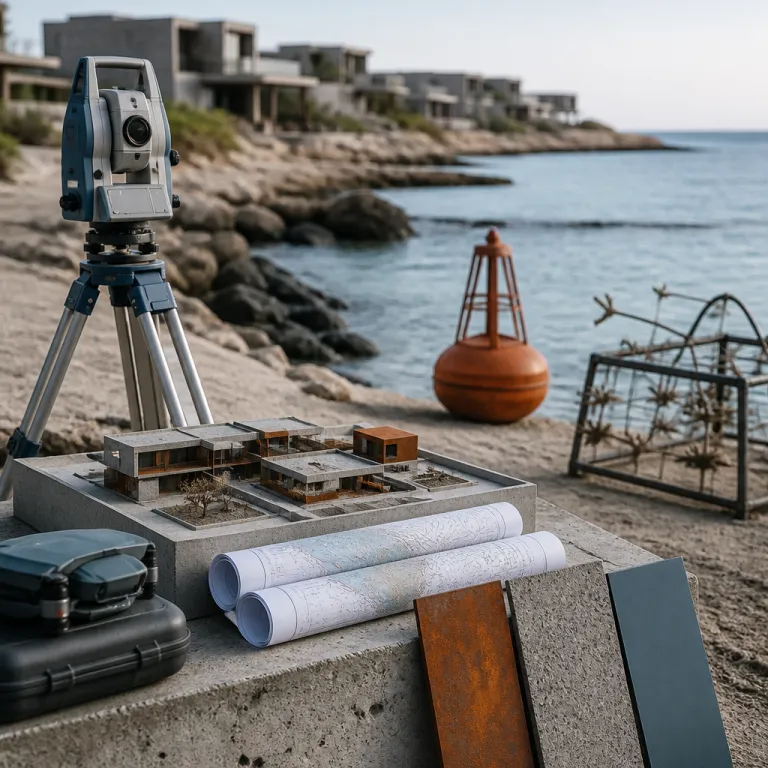
The new frontier of ultra luxury on the Red Sea
Saudi Arabia’s Red Sea coast is quietly becoming one of the most ambitious ultra-luxury shorelines on the planet. What once sounded like a speculative phrase now describes a very real corridor of high-design, low-density retreats stretching across desert headlands and coral-rich lagoons. For travelers used to the Mediterranean or Caribbean, this emerging destination offers a different rhythm, where the view is more desert rock and mangrove than marina and mall.
The Red Sea destination, led by Red Sea Global, covers about 28,000 square kilometers of sea and desert, with islands, reefs, and inland canyons reserved for only a handful of carefully placed properties. This coastal vision is not about building one more generic beach resort; it is about creating a chain of experiences where each property is tied to a specific landscape, from southern dunes to volcanic Ummahat islands. Questions such as “What is the Red Sea Project?” and “Are these resorts eco-friendly?” are answered directly by the master plan’s commitment to sustainable architecture, 100% renewable energy, and strict caps on visitor numbers.
For solo travelers, the appeal is clear and unusually practical. The Red Sea offers warm, swimmable water across seasons when European beaches close, giving a counter-seasonal alternative to long-haul Caribbean flights. You come for the combination of clear water and empty sand, but you stay because the hotel teams are building experiences that feel more like private expeditions than standard resort programming.
Six Senses: from Southern Dunes to Amaala’s reef lined coves
Six Senses arrived first, opening Six Senses Southern Dunes as a desert-facing retreat that treats the surrounding Arabian landscape as its main amenity. Here the resort is set back from the coast, but the architecture by Foster + Partners pulls the desert rock and sky into every room through sweeping canopies and filtered light. You wake with a view not of a pool bar, but of rippling sand and distant mountains that shift in color as the day moves on.
Southern Dunes is the prototype for how a coastal or island property can feel rooted without pastiche, and it previews what Six Senses Amaala will bring to the actual shoreline. At Amaala, beachfront villas and overwater walkways will sit between mangroves and natural rock pools, giving guests a direct Red Sea experience without sacrificing the fragile reef. The same design language that shaped Southern Dunes will translate to a coastal resort where villas, spa pavilions, and restaurants are arranged to protect turtle nesting zones and coral heads rather than dominate them.
For travelers comparing global coasts, think of Amaala as the Red Sea’s answer to the most refined Laguna Beach stays, where the resort is built around the headland rather than over it; our guide to the best resorts in Laguna Beach for a refined coastal escape offers a useful benchmark. Six Senses properties here will offer villas with plunge pools, quiet desert-to-sea excursions, and low-key wellness programs that suit solo explorers who prefer a guided snorkel over a DJ set. In practice, that means fewer rooms, more space between buildings, and a constant sense that the sea, not the hotel, is the main event.
Rosewood, Shura Island and the rise of branded archipelagos
Shura Island is the Red Sea Global showpiece, a carefully master-planned island cluster where Rosewood Red Sea will sit alongside other high-end flags. Here the next wave of Saudi Red Sea luxury becomes tangible, with a string of jetties, marinas, and beaches designed to feel like a walkable village rather than a sealed compound. Rosewood’s property will lean into its reputation for residential-style suites, giving solo travelers the option of a spacious room that feels like a city apartment relocated to the water’s edge.
On Shura Island, the resort mix will likely include villas on the sand, overwater bungalows, and multi-bedroom residences, all oriented to maximize the view across the sea and back toward the desert. Calm, protected lagoons allow for sheltered swimming even when offshore swells rise, turning the island into a natural playground for paddleboarding and snorkeling. The broader Red Sea Global strategy is to position Shura as a destination in its own right, with enough dining, wellness, and cultural programming that you can spend a week without repeating the same experience twice.
For travelers used to Caribbean archipelagos or Mexico’s Riviera Maya, Shura Island will feel both familiar and different; it is a branded cluster, but one with strict controls on density and light pollution. If you are weighing a Red Sea stay against a Mexican escape, our review-led look at discerning beach resort travelers’ favorite large scale properties and our guide to Akumal beach resort escapes on Mexico’s Riviera Maya will help you calibrate expectations. Shura Island will not offer alcohol in the same way as those destinations, but it will offer night skies, quiet beaches, and a level of privacy that is increasingly rare on more developed coasts.
Nujuma, Aman, and the ultra private edge of the Red Sea
At the very top of the market, the Red Sea is attracting brands that usually choose only the most rarefied islands and peninsulas. Nujuma, a Ritz-Carlton Reserve property often referred to as Nujuma Ritz-Carlton Reserve, sits on one of the Ummahat islands as a low-slung ring of villas over impossibly clear water. Here the promise of a secluded Saudi Red Sea luxury resort is distilled into a handful of villas, each with its own stretch of deck, private pool, and direct ladder into the sea.
Ritz-Carlton Reserve properties are designed as one-off retreats, and Nujuma Ritz-Carlton Reserve is no exception, with a focus on tailored experiences rather than standard packages. Guests can expect a coastal program that includes guided reef snorkels, stargazing in the desert, and boat trips to uninhabited islands where the only infrastructure is a shaded lunch table. The usual naming conventions that dominate other luxury portfolios are less important here than the feeling that you are staying in a private marine sanctuary, with staff-to-guest ratios that feel almost absurdly generous.
Aman and Rosewood are also moving into the region, with Aman eyeing remote headlands and Rosewood deepening its presence beyond Shura Island, reinforcing the sense that this is a broader Red Sea Global moment rather than a one-off experiment. For solo travelers, these ultra-private resorts offer something rare: the ability to feel completely alone with the sea and desert while still having a team ready to arrange a last-minute dive or a sunrise hike. Compared with more crowded global islands, the Ummahat group and nearby atolls still feel like blank pages, and that is precisely the point.
Practicalities: visas, culture, and when to go
Planning a trip along the Red Sea coast of Saudi Arabia requires a little more preparation than booking a familiar Mediterranean beach week, but the logistics are increasingly straightforward. Many nationalities can now apply for a Saudi e-visa online, and Red Sea Global expects projected annual visitors by 2030 to reach about one million, a fraction of what comparable destinations handle. That low number is intentional, designed to keep the sea, reefs, and desert landscapes from tipping into overtourism.
Alcohol policies remain conservative, so do not expect the bar culture of Ibiza or Cancun; instead, evenings tend to revolve around long dinners, night swimming, and stargazing over the desert rock silhouettes. Dress codes are more relaxed within resort boundaries, where swimwear is standard at pools and beaches, but modest clothing is advisable when moving through airports, cities, or on cultural excursions inland. Respecting local customs is part of the experience, and it shapes a quieter, more contemplative rhythm that suits solo travelers who value space and silence.
The best seasons for a Red Sea stay generally run from October to April, when air temperatures are warm but not oppressive and the water remains comfortably swimmable. During these months, European beaches are closed or stormy, giving this new Saudi shoreline a clear counter-seasonal advantage over Mediterranean rivals. Flight connections from major European and Asian hubs are improving steadily, and as more resorts open, package transfers and seaplane hops between coastal properties, Southern Dunes, and island clusters will become part of the standard booking conversation.
How to choose your Red Sea resort as a solo traveler
Choosing between Southern Dunes, Shura Island, Nujuma, and future Aman headlands starts with one question: do you want your room to face the sea or the desert? A desert-facing resort like Six Senses Southern Dunes offers a sense of scale and silence that is hard to match, with the coast accessible via day trips rather than at your doorstep. A marine-focused resort on Shura Island or the Ummahat islands, by contrast, gives you that immediate Red Sea immersion, with snorkeling, paddleboarding, and reef swims available before breakfast.
Solo travelers who thrive on activity might gravitate toward Shura Island, where multiple hotels, restaurants, and marinas create a walkable destination with options each night. Those who prefer solitude and a more meditative experience will likely find Nujuma Ritz-Carlton Reserve or a future Aman headland more compelling, where the main soundtrack is wind, water, and the occasional boat engine. Either way, the evolving Red Sea luxury landscape offers a range of scales, from intimate villas to larger integrated resorts, all underpinned by a shared commitment to sustainability.
One useful way to frame the choice is to think in terms of senses: do you want the crunch of desert rock underfoot at dawn, or the soft slap of waves against a villa deck at night? The Southern Dunes experience leans into the former, while Shura Island and the Ummahat islands deliver the latter in various configurations of villas, suites, and overwater rooms. Whatever you choose, remember the core advice that applies across the Red Sea coast: check visa requirements before traveling, respect local customs and dress codes, and plan activities in advance due to high demand.
FAQ
What is the Red Sea Project and who is behind it ?
The Red Sea Project is a large-scale luxury tourism initiative along the Red Sea coast of Saudi Arabia, led by Red Sea Global. It covers about 28,000 square kilometers of sea, islands, and desert, with a strict cap on visitor numbers to protect coral reefs and wildlife. Major partners include Six Senses, Rosewood, Aman, and international design firms such as Foster + Partners.
When will the main Red Sea resorts be open to international travelers ?
Some properties, such as Six Senses Southern Dunes, are already open to guests, while others on Shura Island and the Ummahat islands are opening in phases. Rosewood Red Sea and Nujuma Ritz-Carlton Reserve are among the early wave of coastal openings, with more resorts following as infrastructure scales. Travelers should check each hotel’s official website or contact their preferred booking platform for the latest opening dates.
Are the new Red Sea resorts eco friendly ?
Yes, sustainability is central to the Red Sea development model, from renewable energy use to limits on building footprints and visitor numbers. Many resorts rely on local materials, advanced water treatment, and careful placement of villas to avoid damaging coral and turtle nesting sites. As the official guidance states, “Are these resorts eco-friendly? Yes, they emphasize sustainability and environmental preservation.”
How does the Red Sea compare with the Caribbean for winter sun ?
The Red Sea offers warm water and reliable sunshine during the northern winter, similar to the Caribbean, but with far lower visitor density and virtually no overtourism. Coral reefs remain in relatively pristine condition, and many beaches are still undeveloped, which appeals to travelers seeking quieter stays. Flight times from Europe and parts of Asia are often shorter than to Caribbean islands, making the region a practical alternative for winter escapes.
What should solo travelers know about culture and dress codes in Saudi Arabia ?
Solo travelers will find resort environments relaxed, with standard swimwear accepted at pools and private beaches, but modest clothing recommended in public areas, airports, and cities. Alcohol availability is limited compared with Western beach destinations, so evenings tend to focus on dining, wellness, and stargazing rather than nightlife. Respectful behavior and an awareness of local customs go a long way, and resort staff are usually happy to advise on appropriate dress for excursions and cultural visits.