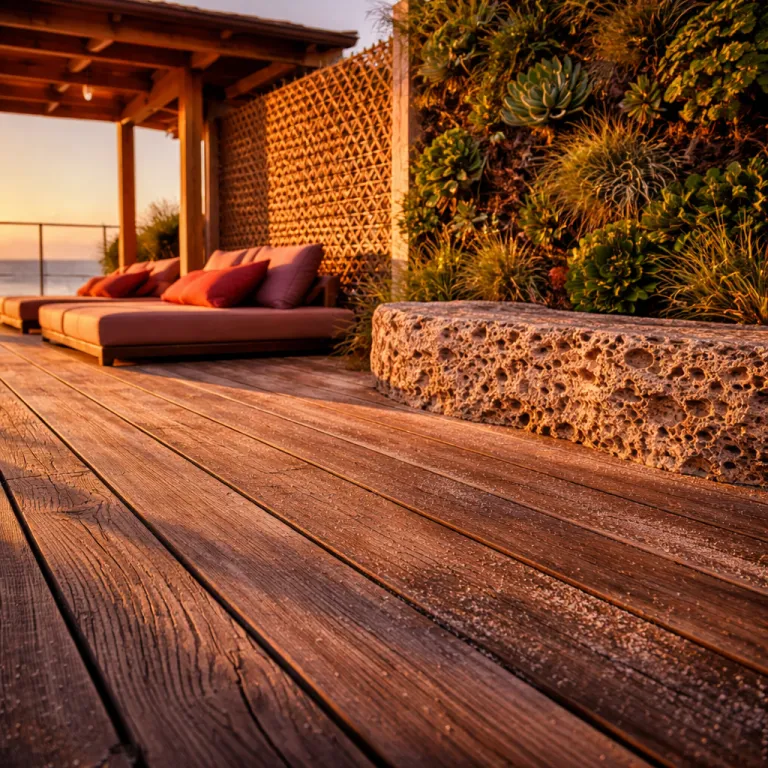
Why biophilic design is redefining coastal luxury
On the coast, the most compelling luxury is often the quiet presence of nature. A true biophilic design luxury resort lets the shoreline lead every decision, from the first line of architecture to the last piece of interior design. When a hotel yields to dunes, reef and wind patterns, guests feel an immediate shift in how they breathe, move and unwind.
Biophilic design means design that integrates natural elements to connect people with nature, and coastal hospitality is where this philosophy feels most honest. In a well considered hotel, biophilic principles shape everything from the hotel lobby orientation to the way the spa opens toward a sheltered cove, creating nature inspired spaces that feel inevitable rather than staged. This is not about greenery as décor; it is about a design concept where resort architecture, operations and guest experience are all calibrated around the surrounding natural environment.
Research backs what frequent travelers already sense intuitively. Environmental psychology work by Roger Ulrich (1984) and later studies summarised in the 2019 Frontiers in Psychology review on nature exposure indicate that regular contact with natural settings can measurably reduce stress and support recovery. For guests choosing between hotels and resorts on a crowded coastline, that long term impact on sleep, mood and restoration can matter more than any single amenity, especially when the view, the sound of waves and the feel of natural materials are all working together.
From blueprint to shoreline: how nature shapes resort architecture
The most interesting coastal hotels now start with the landscape model, not the room count spreadsheet. Architects working with biophilic design study wind, light and tide before sketching the first line of hotel design, ensuring every resort volume frames a view of sea, mangrove or cliff rather than another façade. This nature led approach keeps built forms low, porous and respectful, so the resort architecture feels like a continuation of the headland or bay.
Patina Maldives, Fari Islands, designed by Studio MK27 under architect Marcio Kogan and opened in 2021, is a benchmark for this nature first thinking, with villas that float just above the lagoon and long decks that blur the edge between interior and ocean. At Naviva, A Four Seasons Resort in Punta Mita, tented villas created in collaboration with Luxury Frontiers sit within dense forest, proving that a biophilic design luxury resort can be both ultra luxury and rigorously eco friendly. In both properties, the design concept uses natural ventilation, shaded outdoor living spaces and carefully selected natural materials to reduce energy demand while deepening the guest experience.
Preservation focused renovations follow similar biophilic principles, reusing existing structures to protect embodied carbon while updating interiors with stone, timber and woven fibers. YOD Group’s work on coastal properties such as HAY hotel and spa shows how a compact hotel lobby can open directly into a planted courtyard, turning circulation areas into living rooms for guests. When you evaluate hotels and resorts online, look for resort architecture diagrams, sustainability certifications such as LEED or EarthCheck, or project descriptions that mention local flora, passive cooling and long term environmental strategies rather than only square metres and pool counts.
Inside the room: biophilic interiors that actually change how you feel
Step into a well executed biophilic design luxury resort room and the first impression is not the furniture, it is the air. The best biophilic interiors use cross ventilation, ceiling fans and operable glazing so that the interior design feels like a sheltered extension of the terrace rather than a sealed box. Natural materials underfoot and in hand calm the nervous system faster than any welcome drink.
In coastal hotels from Mexico to the Maldives, interior design teams are replacing high gloss finishes with limewash, local stone and reclaimed timber that age gracefully with salt and humidity. A thoughtful biophilic design strategy might pair a low platform bed facing a full height view with woven screens that filter light like palm fronds, creating nature inspired patterns across the room throughout the day. When biophilic interiors are done well, the hotel becomes a quiet partner in your circadian rhythm, not a distraction from it.
Look closely at photos when you compare design hotels online. Do the spaces show a genuine connection to surrounding nature, or just a few potted plants and a generic green wall that is not rooted in the site? In a true biophilic design luxury resort, the natural material palette, the acoustics and even the scent profile are tuned to the local landscape, supporting long term well being rather than a single Instagram moment.
Public spaces, spa rituals and the social life of nature
Shared spaces are where a biophilic design luxury resort either proves its philosophy or reveals it as surface level styling. A lobby that feels like an airport atrium misses the point, while a hotel lobby that opens laterally to a shaded garden or dune system immediately signals a different kind of hospitality. In the best hotels, the lobby, bar and spa are orchestrated as a sequence of semi open spaces that keep you in contact with breeze, birdsong and filtered light.
Resorts in Mexico have been early adopters of this approach, using courtyards, pergolas and water features to create nature focused microclimates between interior and exterior. A spa pavilion that faces mangroves instead of a car park, or a hydrotherapy circuit that uses natural stone and open sky, turns wellness from a product into an experience rooted in place. When you read about a biophilic design luxury resort, pay attention to how the spa, gym and restaurants are described; if the narrative focuses on equipment lists rather than sensory experience, the design concept probably is not fully nature led.
Social areas also reveal how seriously a resort takes eco friendly operations and long term stewardship. Shaded decks that protect existing trees, low level lighting that respects turtle nesting, and flexible seating that can be reconfigured for changing tides all show biophilic principles in action. If you are planning a romantic coastal escape, pair this design lens with curated stay ideas from a guide to romantic luxury beach getaways, then choose the hotel whose public spaces feel as carefully tuned to nature as its suites.
How to read between the lines when booking biophilic coastal stays
For solo travelers scrolling through endless hotels and resorts, the language around biophilic design can blur into marketing. Start by asking whether the resort architecture clearly responds to its site, or whether the buildings could be anywhere with a palm tree and a pool. A genuine biophilic design luxury resort will usually explain how its layout protects existing vegetation, manages water and frames specific view corridors.
Room descriptions should reference more than thread counts and television sizes. Look for mentions of cross ventilation, shaded terraces, outdoor showers and materials that sound natural rather than synthetic, because these details show that interior design choices are supporting both comfort and energy efficiency. When a hotel highlights long term initiatives such as solar arrays, water recycling and partnerships with environmental consultants, it signals that eco friendly practice is not a temporary trend.
Pay attention to photography and plans as much as adjectives. Do you see nature integrated into circulation routes, or only at the pool and beach club that is not representative of the whole property? Resorts such as Alila Villas Uluwatu and other villas in Uluwatu, completed around 2009, show how clifftop design hotels can step back from the edge, using terraces and planted roofs to keep the horizon line clear while protecting the cliff ecology, and that is the kind of biophilic design thinking worth prioritising when you book.
FAQ
What is biophilic design in a coastal luxury resort context?
Biophilic design in a coastal luxury resort means using architecture, interiors and landscaping to connect guests directly with the surrounding nature. This can include natural ventilation, extensive use of local materials, and layouts that prioritise sea views, native vegetation and access to the shoreline. The goal is to improve well being while reducing environmental impact through biophilic principles that guide every design decision.
Why is biophilic design becoming popular in luxury hotels and resorts?
Biophilic design is popular in luxury hotels because it enhances guest comfort, differentiates properties and supports sustainability goals. Travelers increasingly choose hotels and resorts that feel rooted in their environment rather than generic, and nature inspired spaces deliver that sense of authenticity. At the same time, eco friendly systems and natural materials can lower operating costs and support long term resilience for the resort.
Can biophilic design in hotels really reduce stress for guests?
Exposure to nature has been shown in numerous studies to reduce stress levels, and biophilic design in hotels leverages that effect. When a biophilic design luxury resort offers open views, natural light, greenery and the sound of the ocean, guests often report better sleep and deeper relaxation. This is why many coastal hotels now integrate gardens, water features and outdoor living spaces directly into rooms, suites and spa areas.
What should I look for when booking a biophilic design luxury resort?
When booking, read how the resort architecture responds to the site and whether the hotel design protects existing ecosystems such as dunes, reefs or mangroves. Check if room descriptions mention natural materials, cross ventilation, generous terraces and unobstructed views, which all indicate genuinely biophilic interiors rather than cosmetic greenery. Finally, look for clear commitments to eco friendly operations, such as renewable energy, water management and long term conservation partnerships.
Are biophilic coastal resorts always more eco friendly than traditional hotels?
A biophilic design luxury resort is not automatically more sustainable, but the philosophy often aligns with eco friendly practices. When biophilic principles are applied rigorously, they encourage passive cooling, reduced energy use, careful water management and respect for local ecosystems. To assess a specific property, look beyond design language and review its certifications, environmental reporting and on the ground initiatives that support nature and community.