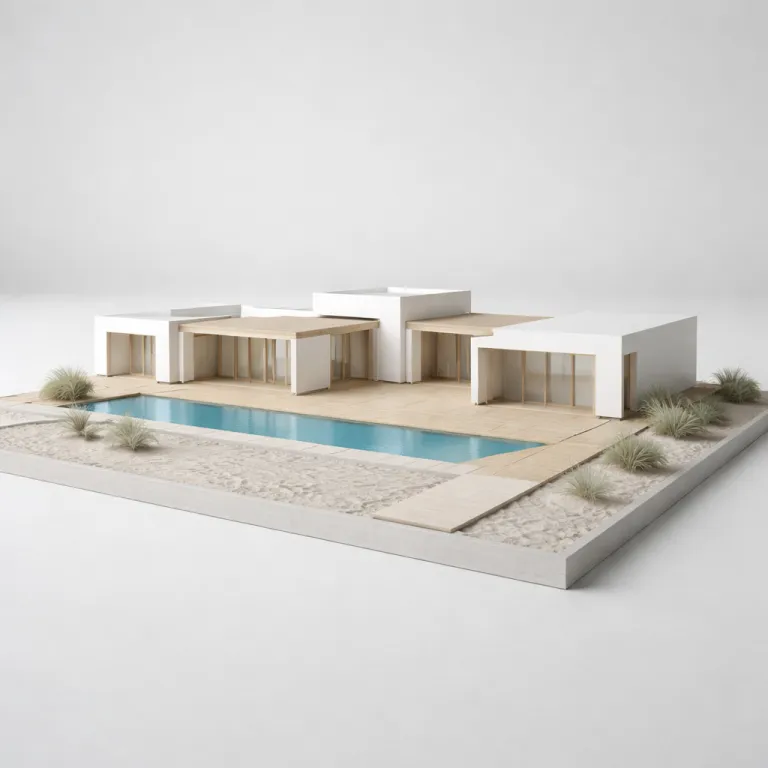
From generic paradise to place driven resort design
Luxury resort architecture trends on the coast are finally abandoning the copy paste palm frond fantasy. The most interesting beach properties now use resort design to frame the real drama of the shoreline, from tidal flats and mangroves to working harbours and turtle nesting beaches, and that shift is reshaping every part of the guest experience. For you as a solo traveler, this means the choice of hotel is less about the size of the pool and more about how its architecture edits your view of the sea.
Design leaders in luxury hospitality agree that homogenised resorts are losing relevance fast. Scott LaMont, Chief Executive Officer and Principal at EDSA, has outlined luxury hospitality design trends for 2026 in industry interviews and conference panels, and his view aligns with what you already see in the most ambitious hotels and resorts that line the better protected bays. When you compare coastal resort design today, the properties that feel genuinely luxurious are those where architecture, interior design, and landscape work together as one coherent design project rather than a collage of imported ideas.
Look at the way Four Seasons Hotel and Private Residences Cartagena, designed by architectural firm ODA and announced in 2023, turns restored colonial landmarks into a contemporary luxury resort rather than dropping a glass tower on the waterfront. That is resort architecture using existing structures and local materials to reduce impact on the environment while still delivering a refined guest experience in layered, characterful spaces. Preservation first resort style is not just nostalgic; reusing structure and enclosure inherently preserves embodied carbon, avoiding the financial and environmental pitfalls of demolition, and that long term thinking is becoming a quiet new status symbol in coastal luxury resort architecture trends.
For a traveler choosing between two beach resorts, this architectural nuance matters more than any room upgrade. A resort that works with its site will often have better natural shade, more comfortable outdoor living terraces, and calmer indoor outdoor transitions that feel intuitive as you move from lobby to sand. You feel this in the way guests naturally drift through semi open spaces, how the wind is caught or softened by architectural forms, and how the resort design either amplifies or muffles the sound of the surf at night.
When you browse a premium booking website for beach resorts, train your eye to read the architecture before the amenities list. Does the hotel sit parallel to the shoreline in a defensive wall, or does the resort architecture break into pavilions that let breezes and views pass through? The most forward looking luxury resort design trends favour broken massing, shaded courtyards, and porous circulation that make the guest experience feel more like wandering a coastal village than marching down a corridor.
Cap Rocat in Mallorca, a former 19th century military fortress converted into a coastal retreat by architect Antonio Obrador, is a good example of this new hospitality design language. With a limited number of ocean facing rooms carved into the cliff and existing bunkers rather than stacked against them, the resort uses stepped terraces, native stone, and compact outdoor spaces to create a resort style that feels both intimate and deeply connected to the Mediterranean environment. For solo guests, that kind of architecture supports quieter experiences, from reading on a wind sheltered balcony to watching fishing boats return at dusk, without the sense of being lost in a mega resort.
There is a counter argument of course, and you will meet it in every sunbelt destination. Some travelers still want the generic paradise fantasy, with a predictable hotel layout, glossy interior design, and a resort style that could be anywhere between Phuket and Playa del Carmen, and there is nothing inherently wrong with that preference. The key is to recognise that contemporary luxury resort architecture now offers a spectrum, from globally standardised hotel resorts to highly site specific coastal resort design, and to choose consciously based on the kind of experiences you value.
As the global luxury hotel market grows, with thousands of projects in the pipeline, this divergence will only sharpen. On one side, you will see large scale resorts that lean on technology and spectacle to deliver a familiar version of luxury, often with limited regard for eco friendly practices or the surrounding environment. On the other, you will find a quieter generation of coastal luxury resort properties where design, sustainability, and cultural context are inseparable, and where guest satisfaction comes from how the tide, the light, and the architecture align.
Biophilic design and the new language of coastal calm
Biophilic design, the practice of connecting people with nature through architecture, has moved from theory to baseline expectation in serious luxury resort architecture trends. In beach resorts this means more than adding a palm tree to the lobby; it is about shaping spaces so that guests feel the rhythms of the coast in their bodies, from circadian lighting to natural ventilation. When you are scrolling through potential resorts, the properties that truly understand biophilic design will often feel calmer even in photographs.
Architect Jill Lewis has highlighted a wider shift towards wellness in home design in her published work, and that same movement is now defining hospitality design along the shore. In the best coastal hotels and resorts, wellness is not confined to a spa wing but woven through the entire resort design, from quiet reading nooks facing the dunes to outdoor living decks that double as yoga platforms at sunrise. When you stay in such a hotel, you notice how the guest experience is choreographed around light, shade, and breeze rather than just around restaurant opening hours.
Look closely at the materials palette when you assess a luxury resort online. Resorts that take biophilic design seriously will favour tactile, often locally sourced materials such as stone, timber, and lime plaster that age gracefully in a marine environment and support long term maintenance. These materials not only reduce glare and heat gain in outdoor spaces but also create a softer acoustic environment indoors, which matters more than you think when you are trying to sleep with the balcony doors open to the sea.
Wellness in resort architecture is also about spatial sequence. Hong Kong based designer André Fu has discussed changes in hotel room purposes in interviews, and you can see this in coastal suites where the traditional bed centric layout is replaced by layered zones for work, rest, and contemplation that respond to the view. In the most thoughtful interior design schemes, the bed may no longer face the television but the horizon, with indoor outdoor thresholds that let you slide from cool interior spaces to shaded terraces without breaking the sense of retreat.
For solo travelers, these design trends translate into more meaningful experiences with the landscape. A resort that understands biophilic design will often provide small, semi private outdoor living corners rather than only large communal decks, giving guests space to read, meditate, or simply watch the tide without performance. This attention to micro spaces is a hallmark of serious luxury hospitality, and it is worth prioritising when you compare resort design options on any booking platform.
Technology plays a subtle but important role in this new coastal calm. Smart glass, discreet ceiling fans, and responsive shading systems allow resorts to maintain comfort while keeping windows open longer, reducing reliance on air conditioning and supporting eco friendly operations. When technology is used in this way, it enhances the guest experience without turning the room into a gadget showroom, and it aligns with the broader sustainability goals that now underpin many luxury resort architecture trends.
Wellness consultants increasingly collaborate with architects and interior designers on coastal design project briefs. Their input shapes everything from acoustic insulation between rooms to the placement of cold plunge pools in relation to the sea, ensuring that wellness experiences feel integrated rather than bolted on. As a guest, you feel this integration in the way circulation routes avoid noisy service areas, how spa spaces borrow natural light without glare, and how even the gym might open directly onto a sheltered outdoor training terrace.
When you evaluate a potential hotel stay, ask yourself how the resort uses its architecture to support your physical and mental reset. Are there quiet, shaded paths through native planting that lead to the beach, or only a single grand staircase from lobby to sand? The more a resort invests in biophilic design and wellness focused spaces, the more likely you are to leave with the sense that your time by the sea has recalibrated you rather than simply entertained you.
Eco, sustainability and preservation first coastal luxury
Ethical luxury on the coast is no longer a niche talking point; it is rapidly becoming the filter through which serious travelers judge luxury resort architecture trends. In fragile beachfront environments, sustainability is not a marketing flourish but a structural decision that begins with whether to build new or adapt existing hotels and resorts. When you choose a resort that has renovated rather than razed, you are often supporting a design concept that values both cultural continuity and reduced environmental impact.
Preservation first thinking is especially powerful in resort architecture because it tackles carbon at the level of structure, not just operations. Reusing foundations, shells, and circulation cores preserves embodied energy, while sensitive resort design upgrades can still deliver a contemporary guest experience with all the expected comforts. For you as a guest, this often translates into more characterful spaces, thicker walls that temper heat and sound, and a sense that the resort style belongs to its coastline rather than floating above it.
Sustainability in coastal hospitality design also shows up in the choice of materials and systems. Resorts that take eco responsibility seriously will specify durable, low maintenance materials that can withstand salt, wind, and intense sun without constant replacement, which supports long term operational stability. You might notice timber certified for responsible sourcing, stone quarried nearby, or recycled composites used for outdoor decks, all of which reduce transport emissions and help the resort sit more lightly on its site.
Renewable energy is another quiet marker of thoughtful luxury resort architecture trends. Industry case studies describe solar arrays tucked onto flat roofs, discreet wind turbines on headlands, and seawater based cooling systems becoming increasingly common in high end resort design, even when they are not heavily advertised. When a resort invests in renewable energy infrastructure, it signals a commitment to the environment that goes beyond towel reuse cards and into the core of the design project.
Eco friendly operations are also about how resorts manage water, waste, and biodiversity. Look for hotels and resorts that treat and reuse greywater for irrigation, protect dune systems with raised boardwalks, and design outdoor living areas around existing trees rather than clearing them for symmetry. These architectural decisions may seem small in photographs, but on the ground they shape how guests move, where they gather, and how much of the original ecosystem survives beneath the resort style.
There is a growing alignment between wellness and sustainability in luxury hospitality, and you can use that overlap as a selection tool. Resorts that integrate biophilic design, natural ventilation, and shaded outdoor spaces often require less mechanical cooling, which reduces energy use while improving guest comfort. When you feel a steady breeze under a deep veranda instead of a blast of air conditioning, you are experiencing sustainability as comfort rather than sacrifice.
Ethical luxury also extends to how resorts engage with local communities and craftspeople. Many of the most compelling coastal properties now work with local artisans on interior design elements, from woven ceiling panels to hand carved doors, embedding cultural narratives into the architecture. As a guest, you benefit from richer experiences and a more grounded sense of place, while your spending supports skills that have evolved in dialogue with that specific environment.
For solo travelers booking through a curated platform or specialist agency, this new wave of eco conscious luxury resort architecture trends offers both choice and responsibility. You can filter for resorts that publish sustainability reports, highlight renewable energy use, or showcase preservation focused renovations, and then cross check those claims against photography and plans. The more you reward resorts that align design, sustainability, and guest satisfaction, the faster the market will shift away from extractive coastal development towards genuinely regenerative hospitality.
How to read a beach resort like a design critic
When you land on a luxury resort listing, train yourself to read beyond the infinity pool shot. Coastal resort architecture trends are increasingly subtle, and the photographs on a booking website often hide as much as they reveal about the real guest experience. With a few targeted questions, you can decode whether a resort is genuinely design forward or simply styled for social media.
Start with the site plan if it is available, or piece it together from aerial images. Does the resort design follow the natural contours of the coastline, or does it impose a rigid grid that ignores dunes, mangroves, or existing villages? Resorts that respect topography usually offer more interesting indoor outdoor sequences, with varied levels, framed views, and sheltered outdoor living pockets that feel discovered rather than staged.
Next, look at circulation and public spaces. In serious hospitality design, the journey from arrival to room is treated as a narrative, with shifts in light, sound, and material that prepare you for the sea rather than assault you with it. If every corridor is air conditioned, windowless, and identical, you are probably looking at a hotel that prioritises operational efficiency over guest experience, which may matter to you if you value atmosphere as much as amenities.
Pay attention to how technology appears in the rooms and shared spaces. Thoughtful luxury hospitality uses technology to support comfort and sustainability, not to show off touchscreens, and you can often spot this in the details of lighting, shading, and climate control. A resort that offers simple, intuitive controls, ceiling fans, and operable windows is usually more aligned with coastal rhythms than one that seals you in behind fixed glazing and complex tablets.
Interior design is where many resorts try to signal luxury quickly, but you should look past the obvious finishes. Ask whether the design concept connects to local culture and environment through materials, craft, and art, or whether it relies on generic beach motifs that could be anywhere. Properties that invest in layered, context aware interiors tend to age better over the long term, which is a quiet but important indicator of both sustainability and guest satisfaction.
For solo travelers interested in both design and romance, architecture can also shape how intimate or performative a stay feels. Resorts that carve out small, sheltered terraces, quiet bars, and low lit paths often create more authentic experiences for couples than those that rely on grand gestures and oversized pools, and you can explore this angle further through curated guides to romantic luxury beach getaways on specialist platforms. When you read reviews, focus on how guests describe sound levels, privacy, and the feel of shared spaces at night, because these clues reveal more about resort architecture than any marketing copy.
Finally, remember that not every traveler wants the same thing from luxury resort architecture trends. Some guests crave the anonymity and predictability of a large hotel where the design fades into the background, while others seek resorts where every stair, bench, and balcony feels considered. Your task is not to chase an abstract ideal of design excellence but to match the resort style, scale, and spatial character to the way you actually like to live by the sea.
As you refine your eye, you will start to see patterns in the resorts that resonate with you. Perhaps you gravitate towards low rise, courtyard based hotel resorts that blur indoor outdoor boundaries, or maybe you prefer cliffside resort design with dramatic vertical circulation and framed horizon lines. Whatever your preference, approaching each potential booking as a small architectural critique will help you choose beach resorts where the design quietly amplifies the coastline rather than competing with it.
Key figures shaping coastal luxury resort architecture
- The global luxury hotel market was valued at around 115.8 billion USD in 2022 according to industry summaries of a Grand View Research report, a scale that explains why even small shifts in luxury resort architecture trends can have significant environmental impact along coastlines worldwide.
- Industry analysts, including Lodging Econometrics, reported roughly 8,000 hotel projects in the global pipeline at the start of the current cycle, a volume that makes preservation first and eco friendly resort design strategies critical for protecting fragile beachfront environments.
- Forecasts of luxury hotel market growth of about 5.5 percent per year, cited in several market research overviews, indicate sustained demand for high end coastal stays, which in turn pushes architects and developers to integrate renewable energy, biophilic design, and wellness focused spaces into new resort architecture.