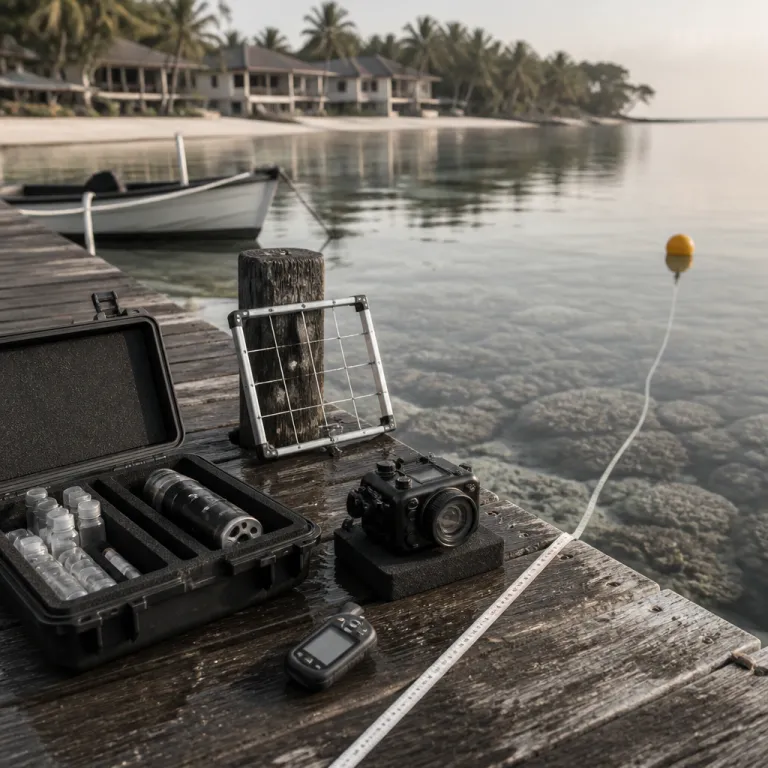
From sustainable to regenerative: when coral reefs set the brief
At a genuinely regenerative beach resort, coral reef restoration is not décor. It is the operational core that shapes staffing, guest programming, and even how many villas sit along the coastal line. These properties treat the surrounding coral reefs and wider marine ecosystems as primary assets, then build hospitality around the reef rather than the other way round.
That shift matters because climate change is accelerating pressure on every coral reef and on the local communities that depend on marine life for food and tourism income. The IPCC estimates that up to 90% of warm-water reefs could be lost at 2°C of warming, a figure echoed in global climate assessments. In this model, conservation of nature is not a marketing line; it is a business requirement that demands measurable restoration efforts, from planting corals at carefully monitored restoration sites to protecting a wider marine protected area. Resorts working this way often partner with marine conservation NGOs or seascape initiatives, where tourism revenue directly funds marine protected zones and supports local communities.
Marine conservation tourism answers a simple question for the solo explorer who cares about sustainable tourism and global climate impacts. Can your stay in Bali, the Florida Keys, or reefs in Indonesia genuinely help grow coral and support reef restoration rather than just offsetting emissions on paper? At projects such as the Mars Assisted Reef Restoration in Indonesia, more than 90,000 coral fragments have been outplanted on “reef star” structures since 2011, with published data showing increases in coral cover and fish biomass. The most serious coastal properties now publish data on coral fragments outplanted, reef health indicators, and community employment, aligning with definitions of regenerative travel that focus on leaving ecosystems and communities better off.
What “reef first” looks like on the staffing roster
Walk into a true reef-first coastal retreat and the first expert you meet may be a marine biologist, not a concierge. Some Red Sea Global projects and similar coastal developments now employ marine science teams that rival their front office groups in size, with specialists in coral restoration, reef monitoring, and marine life behaviour. This staffing balance signals that reef recovery and broader conservation work are treated as core operations, not side activities.
At properties influenced by models like Six Senses AMAALA’s Corallium Marine Life Institute, guests can join marine protected lagoon surveys, help tag coral fragments, or assist with planting corals under supervision. These are not staged eco tourism photo opportunities; they are structured restoration efforts that feed real datasets used by research partners and local communities managing the protected area. As Dr. Carlos Duarte, a lead scientist on several Red Sea projects, has noted in public briefings, long term reef monitoring and active restoration are now “non‑negotiable infrastructure” for responsible coastal tourism. For a luxury guest, the value lies in access to serious science, from night snorkels over recovering coral reefs to briefings on how global climate trends and local tourism pressures intersect on that specific reef.
For booking platforms curating luxury eco friendly beach resorts, the question becomes very practical. How many full time conservation and marine technology roles does a property fund per 100 rooms, and how are those roles integrated into the guest journey? Some leading resorts now aim for at least one dedicated marine scientist for every 40–50 keys, plus trained reef guides drawn from nearby villages. Our own guide to luxury eco friendly beach resorts and sustainable escapes now highlights staffing ratios, reef restoration credentials, and community partnerships alongside spa menus and suite categories.
Guest experience built around coral reef restoration
For a regenerative beach resort coral reef restoration program to justify premium nightly rates, it must translate science into compelling guest experiences. The best properties treat the reef as their primary lounge, designing daily rhythms around tides, marine life behaviour, and the needs of the coral reef itself. Morning might mean a guided snorkel over restoration sites, while late afternoon is reserved for data logging or coral nursery maintenance.
In places like Bali and nearby Nusa Penida, guests can join small group excursions that combine reef interpretation with hands on coral restoration activities. At the Nusa Penida Marine Protected Area, for example, local NGOs and dive operators have documented increases in manta ray sightings and improved coral cover on monitored sites since zoning rules were introduced in 2014. You might help secure growing coral fragments to a metal frame, then learn how climate change, coastal development, and global tourism flows have shaped reefs in Indonesia over decades. These programs often sit alongside community led experiences on land, where local communities explain how sustainable tourism supports fisheries, education, and cultural continuity.
Resorts that take this seriously invest in technology as well as storytelling. Underwater cameras stream live images from marine protected zones to the marine lab, while simple dashboards in guest lounges show metrics such as coral cover, fish biomass, and water quality over time. At some properties, guests can scan QR codes to see how many coral fragments were outplanted that month or how many local youth completed reef‑guide training. Even design choices, from low impact jetties to packaging rules that minimise plastic, echo broader shifts in hospitality regulation explored in our analysis of how new rules are reshaping beach resort operations.
Measuring real impact: from coral fragments to community income
Any regenerative beach resort coral reef restoration claim stands or falls on measurement. Serious operators track not only how many guests participate in eco tourism activities, but how those activities translate into healthier reefs and stronger community economies. That means long term monitoring of coral cover, fish diversity, and the resilience of marine ecosystems under climate stress.
Resorts working with marine conservation initiatives often publish annual impact reports that detail restoration efforts, from the number of coral fragments outplanted to the percentage of house reef designated as a marine protected area. At Misool in Raja Ampat, for instance, a no‑take zone of 300,000 acres has seen reef fish biomass increase by more than 250% over a decade, according to peer‑reviewed studies and the resort’s own monitoring reports. They also report on socio economic indicators such as coastal tourism employment, local community income, and the share of procurement sourced from nearby villages. As one concise definition puts it, “Tourism that supports marine conservation efforts,” and “Provides funding and raises awareness,” and “Yes, they aim for long-term sustainability.”
For travelers comparing properties in Bali, the Florida Keys, or emerging Red Sea destinations, these numbers help separate genuine conservation from green gloss. Our deep dive into reef led luxury projects on the Red Sea coast shows how some developments now hard wire conservation into concession agreements, tying room count and marina size to ecological baselines. The most credible resorts invite third party scientists to audit their coral reefs and publish results, accepting that transparency is part of the new luxury.
Revenue models where the reef pays its own way
For regenerative beach resort coral reef restoration to scale, conservation must be financially self sustaining. That is where marine conservation tourism comes into its own, blending guest experiences, research partnerships, and community enterprises into a diversified revenue base. Instead of relying on sporadic grants, the reef effectively becomes a co shareholder in the business model.
Some properties allocate a fixed percentage of room revenue to a dedicated conservation fund that supports marine life monitoring, reef restoration, and community education programs. One Red Sea pilot project, for example, has earmarked 1% of gross resort revenue for coral research and local training, with the goal of funding at least 15 full time conservation roles by 2025. Others partner with universities to host field courses and long stay researchers, filling shoulder season occupancy while generating high quality data on coral reefs, seagrass beds, and wider coastal ecosystems. In destinations like Nusa Penida or the Florida Keys, specialist dive tourism focused on marine protected zones and restoration sites can command premium pricing when backed by credible science and strong local community governance.
For the solo explorer, this creates two distinct booking pathways that luxury platforms must recognise. There is the guest who comes for the coral reef and then chooses the resort that offers the most meaningful access to conservation work, and there is the guest who books for the spa and later realises that growing coral and supporting local communities is the most memorable part of the stay. Either way, the future of high end coastal tourism lies where nature, community, and hospitality are aligned so that the reef, not the infinity pool, defines value.
FAQ
What is a reef first beach resort model ?
A reef first model is a hospitality approach where marine conservation and coral reef restoration are treated as core operations rather than optional programs. The resort invests heavily in marine science teams, protected area management, and restoration efforts before designing guest facilities. Revenue from rooms, dining, and experiences then helps fund long term ecosystem recovery and community partnerships.
How can I tell if a resort’s coral restoration is credible ?
Look for clear data on coral fragments outplanted, percentage of reef designated as a marine protected area, and independent scientific partners. Credible properties publish regular impact reports, invite external audits, and explain how activities like planting corals fit into wider restoration sites and climate resilience strategies. Staff should be able to answer detailed questions about local marine life, reef health, and community involvement.
Does marine conservation tourism really benefit local communities ?
When designed well, marine conservation tourism channels a share of guest spending into local employment, training, and small businesses. Community based seascape projects link hotels with fishers, guides, and artisans so that sustainable tourism supports livelihoods as well as ecosystems. The strongest models give local communities a formal role in managing coastal resources and deciding how tourism revenue is reinvested.
Is regenerative travel more expensive than traditional beach tourism ?
Rates at regenerative properties can be higher because they fund marine biology teams, monitoring technology, and long term conservation commitments. However, guests often gain access to small group experiences, research programs, and community projects that would be difficult to arrange independently. For many travelers, the added value of contributing to healthier reefs and resilient communities justifies the premium.
What should I look for when booking a regenerative beach resort ?
Check whether the resort has a published conservation plan, named marine science partners, and transparent reporting on reef restoration and community impact. Look for evidence of marine protected zones, limits on coastal development, and programs that involve guests in meaningful ways beyond simple donations. Finally, prioritise properties that integrate sustainability into every aspect of operations, from energy and waste to cultural respect and staff training.