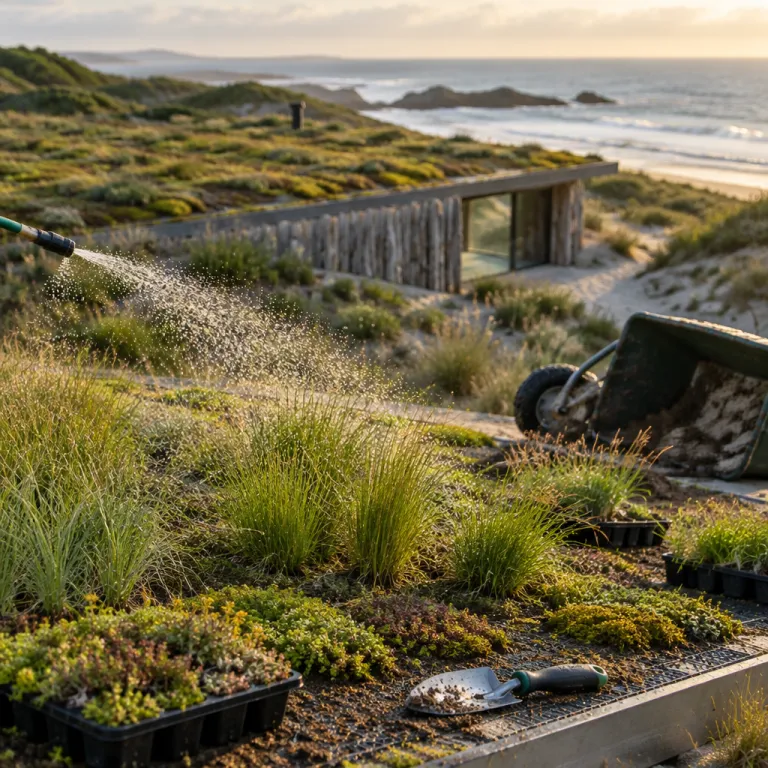
When luxury beach resort architecture chooses to disappear
The most interesting luxury resort projects on the coast now try to vanish. Instead of dominating the shoreline, their architecture follows the land’s existing curves and quiet rhythms. This is where luxury beach resort architecture landscape design becomes a study in restraint rather than spectacle.
On a serious coastal resort, the architecture team starts with the resort landscape before sketching a single suite. They map dunes, native plants, and water movement, then shape the resort design so every guest view feels natural, not staged. You feel this immediately when you arrive at a beach resort that sits low in the terrain, with roofs barely higher than the palms and paths that read like old fishermen’s tracks.
For travelers choosing a resort hotel today, the most coveted luxury is often visual silence. You walk from the lobby to your room and the landscape architecture keeps your eye on the beach, the water, and the sky. The hotel landscape is edited so carefully that the building mass almost dissolves, yet the guest experience still delivers full hospitality comfort and discreet service.
Architecture shaped by the land, not imposed on it
Coastal hospitality design has shifted from statement making to land listening. Architects now talk about resort landscape strategies that are “shaped by the land rather than imposed upon it”, a mindset that defines the most thoughtful luxury resort developments. For you as a guest, that means architecture that feels inevitable, as if the resort had always been part of this particular beach.
Earth sheltered suites, green roofs, and sand colored façades reduce the visual impact of each resort project. In many eco resort properties, the landscape design uses native grasses and low shrubs to blur the line between built and wild terrain. When this is done well, you stand on your terrace and the view is almost uninterrupted coast, with the hotel itself receding into the background.
Biophilic hospitality principles push this further by prioritizing open air circulation, natural light, and tactile materials. Timber screens, stone floors, and woven ceilings turn the resort hotel into a kind of breathable shelter rather than a sealed box. For a deeper dive into how nature first architecture shapes the guest experience, you can read this analysis of biophilic design on the coast, which explores why some of the top resort properties now feel more like refined coastal villages than conventional hotels.
Invisible design and the way you actually experience the coast
When a beach resort is designed to disappear, your senses recalibrate. You notice the water features in the landscape before you notice the pool tiles, and you register the sound of waves long before any background music. This is luxury beach resort architecture landscape design as a kind of quiet editing of what you see, hear, and feel.
Low rise resorts with careful resort landscape planning often deliver the most memorable views. Instead of a single dramatic panorama from a sky bar, you get a sequence of intimate view corridors as you move between your suite, the beach club, and the restaurant. The guest experience becomes a slow unfolding of perspectives, from dune level paths to slightly elevated decks that frame the horizon without stacking floors into a visible urban wall.
Invisible architecture also changes how you read the property’s story. A coastal eco resort that hides its massing, uses eco friendly materials, and keeps lighting low signals respect for nesting turtles and local fishing patterns. Some design teams even prototype their resort design in digital environments, taking cues from experimental coastal worlds such as those explored in this feature on virtual beachfront resort creations, then refine the hotel landscape so the final project feels both imaginative and grounded in its site.
Engineering the almost invisible resort without losing comfort
Making a resort vanish into the coastline is not a romantic sketch ; it is an engineering challenge. Structures must handle salt, wind, and water while staying low, fragmented, and visually quiet. The best hospitality design teams work with coastal engineers and landscape architects from the first survey, treating the entire resort landscape as a single integrated system.
Earth sheltered suites require serious drainage planning and robust waterproofing around all water features. Green roofs that mimic dunes need lightweight soil systems, native planting, and maintenance plans that respect both eco friendly goals and long term guest comfort. When a beach resort steps back from the shoreline to protect dunes, engineers often compensate with elevated walkways that preserve the view while allowing sand to move naturally beneath.
Inside, disappearing architecture still has to deliver reliable air conditioning, acoustic privacy, and safety. Mechanical systems are tucked into retaining walls, under pathways, or within landscape architecture elements that read as sculpted terrain. If you want to understand how room layout and outlook shape your memory of a stay, this piece on how the room you wake up in defines the resort you remember is worth a careful read, especially when you are comparing low rise coastal resorts that promise immersive views.
From the Red Sea to mountain resorts: global case studies in quiet coastal luxury
Some of the clearest examples of disappearing architecture sit along the Red Sea, where new resort projects are being asked to respect fragile marine ecosystems. Properties such as Six Senses AMAALA weave suites between the beach and a mangrove edged lagoon, using low slung architecture and careful resort landscape planning to keep the skyline almost untouched. Here, luxury beach resort architecture landscape design becomes a negotiation between coral health, guest privacy, and long horizon views.
Elsewhere, a mountain resort above a sheltered bay might step its villas down a slope, using stone from the site and green roofs to echo the surrounding cliffs. In parts of China, coastal resort design now borrows from traditional courtyard architecture, hiding rooms behind garden walls so the beach reads as a continuous public edge. Even at established luxury resort brands such as The Ritz Carlton, newer properties often use broken up massing and hotel landscape strategies that keep buildings behind tree lines, allowing the beach club and public areas to feel almost free standing.
For travelers scanning resort press releases, it is worth reading between the lines. Look for mentions of eco resort credentials, landscape architecture partnerships, and specific commitments to eco friendly construction rather than generic sustainability claims. When a resort hotel talks about protecting dunes, restoring native vegetation, or limiting night lighting, you can usually expect a quieter skyline and a more authentic guest experience of the coast.
How to read plans, press, and photos when choosing your next coastal stay
When you compare resorts online, the architecture that matters most is often what you cannot see in the first hero image. Start by studying aerial photos and site plans, looking at how the resort landscape sits in relation to the beach and any nearby urban areas. If the buildings hug the tree line and leave the first line of sand mostly open, you are likely looking at a property shaped by its land rather than imposed upon it.
Resort press materials can be surprisingly revealing once you know what to read for. References to landscape design, eco resort strategies, and collaborations with landscape architecture studios usually signal a more thoughtful approach to the coastline. Mentions of water features that manage storm runoff, eco friendly materials, and low rise resort design all point toward a hotel that is trying to disappear visually while still delivering full service hospitality.
Finally, pay attention to guest photos and independent reviews rather than only official press images. Notice whether the beach resort feels open and calm, or whether the resort hotel massing dominates every view. Properties that balance architecture, landscape, and water with humility tend to age better, protect their stretch of coast more effectively, and give you a luxury experience defined by the beach itself rather than by the building.
FAQ: invisible coastal resorts and landscape led design
How can I tell if a resort is truly integrated into the landscape ?
Look for low rise buildings, broken up clusters of suites, and roofs that match the surrounding colors and textures. A resort that is genuinely integrated into its landscape design will often sit behind dunes or tree lines, leaving the first line of beach relatively open. Independent photos should show more sand, water, and sky than concrete or glass.
Does landscape integrated resort design cost more than conventional construction ?
Upfront costs can be higher because earth sheltered structures, green roofs, and complex drainage systems require specialist engineering. However, eco friendly materials, passive cooling strategies, and careful landscape architecture can reduce long term energy and maintenance costs. Many developers now see this approach as an investment in both resilience and guest experience.
Are eco resorts that disappear into the coastline less luxurious ?
Not necessarily ; the best examples pair discreet architecture with high service levels and refined interiors. Instead of grand lobbies, you get quiet arrival courts, generous room layouts, and carefully framed views of the beach or lagoon. Luxury in these resorts is measured by space, calm, and connection to nature rather than by visible scale.
What should couples look for when booking a nearly invisible beach resort ?
Couples should prioritize room orientation, privacy, and proximity to the shoreline rather than just headline amenities. Check whether your suite has an uninterrupted view, sheltered outdoor space, and easy access to the beach without crossing busy internal roads. Properties that emphasize guest experience through landscape design usually deliver more intimate, romantic stays.
Can disappearing architecture work in more urban or developed coastal areas ?
Yes, but it requires careful resort design that steps buildings back from the water and uses planting, screens, and broken up volumes to soften the urban edge. In denser settings, landscape architecture can create layered buffers between the city and the beach, giving guests a sense of retreat. The key is keeping building heights modest and allowing public access and natural views to remain intact.